
Blog

Possible Treatments for Rheumatoid Arthritis

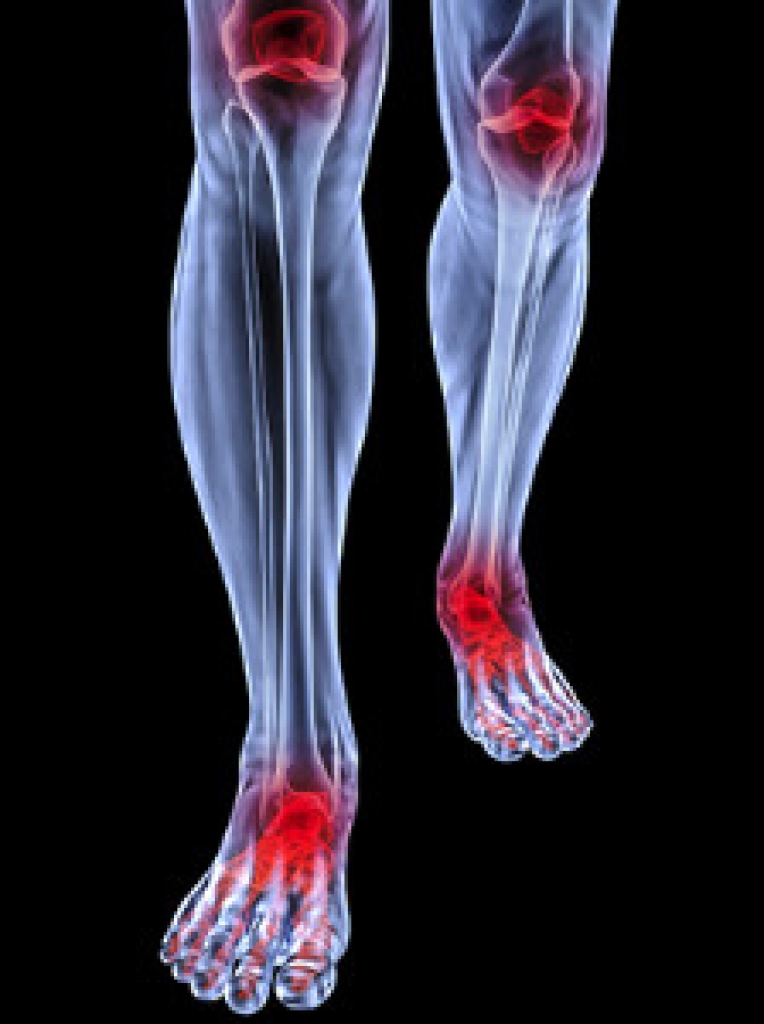
A disease involving the immune system in which the joints are inflamed is rheumatoid arthritis. Standing and walking may often become difficult, as these movements involve use of the joints. Recent research has shown that common treatments for this condition may include anti-inflammatory drugs or surgery if no other option is available. Occasionally the feet may produce symptoms indicative of rheumatoid arthritis, such as stiffness and pain in the ankle that spreads throughout the foot. It has been shown that there may be a link between higher body weight and this particular form of arthritis developing faster than other forms. Certain remedies may bring comfort, including choosing shoes that have proper arch support. Stretching may be another option, possibly relieving pain and providing joint mobility. Consult with your podiatrist for a proper diagnosis and treatment if you think have symptoms of rheumatoid arthritis.

Because RA affects more than just your joints, including the joints in your feet and ankles, it is important to seek early diagnosis from your podiatrist if you feel like the pain in your feet might be caused by RA. For more information, contact Dr. Larry Cohen of New York City. Our doctor will assist you with all of your podiatric concerns.

What Is Rheumatoid Arthritis?

Rheumatoid Arthritis (RA) is an autoimmune disorder in which the body’s own immune system attacks the membranes surrounding the joints. Inflammation of the lining and eventually the destruction of the joint’s cartilage and bone occur, causing severe pain and immobility.

Rheumatoid Arthritis of the Feet

Although RA usually attacks multiple bones and joints throughout the entire body, almost 90 percent of cases result in pain in the foot or ankle area.

Symptoms

  • Swelling and pain in the feet
  • Stiffness in the feet
  • Pain on the ball or sole of feet
  • Joint shift and deformation

Diagnosis

Quick diagnosis of RA in the feet is important so that the podiatrist can treat the area effectively. Your doctor will ask you about your medical history, occupation, and lifestyle to determine the origin of the condition. Rheumatoid Factor tests help to determine if someone is affected by the disease.

If you have any questions, please feel free to contact our offices located in Midtown, Manhattan New York, NY . We offer the newest diagnostic and treatment technologies for all your foot care needs.


Read more about Rheumatoid Arthritis in the Feet

Lifestyle Changes May Help Poor Circulation

Poor circulation in the feet is commonly caused by the body’s inability to carry blood to the lower extremities. It usually stems from blockages in the arteries, although there may be several contributing factors which can cause this condition. It helps to be aware of how you’re feeling, because many symptoms can be disguised as average aches and pains associated with aging. Symptoms may include numbness, an icy feeling in the feet, and pain in the calves while walking. Discoloration in the toes, swelling in the feet or having dry skin are additional signs that you may suffer from poor circulation. There are factors that may lead to this condition, such as poor diet, lack of regular exercise, and standing for extended periods of time without moving. Lifestyle changes may help by improving blood flow. These may include exercise, diet changes, hot and cold therapy, and elevation of the legs, especially while sleeping. If you’re experiencing pain in the legs and feet, please consult a podiatrist for a proper diagnosis.

Poor circulation is a serious condition and needs immediate medical attention. If you have any concerns with poor circulation in your feet contact Dr. Larry Cohen of New York City. Our doctor will treat your foot and ankle needs.

Poor Circulation in the Feet

Poor blood circulation in the feet and legs is can be caused by peripheral artery disease (PAD), which is the result of a buildup of plaque in the arteries.

Plaque buildup or atherosclerosis results from excess calcium and cholesterol in the bloodstream. This can restrict the amount of blood which can flow through the arteries. Poor blood circulation in the feet and legs are sometimes caused by inflammation in the blood vessels, known as vasculitis.

Causes

Lack of oxygen and oxygen from poor blood circulation restricts muscle growth and development. It can also cause:

  • Muscle pain, stiffness, or weakness 
  • Numbness or cramping in the legs
  • Skin discoloration
  • Slower nail & hair growth
  • Erectile dysfunction

Those who have diabetes or smoke are at greatest risk for poor circulation, as are those who are over 50. If you have poor circulation in the feet and legs it may be caused by PAD and is important to make changes to your lifestyle in order to reduce risk of getting a heart attack or stroke. Exercise and maintaining a healthy lifestyle will dramatically improve conditions.

As always, see a podiatrist as he or she will assist in finding a regimen that suits you. A podiatrist can also prescribe you any needed medication. 

If you have any questions, please feel free to contact our offices located in Midtown, Manhattan New York, NY . We offer the newest diagnostic and treatment technologies for all your foot care needs.

Read more about Causes, Symptoms, and Treatment of Poor Blood Circulation in the Feet

Foot Related Conditions Caused by Obesity

There are a number of health conditions that are affiliated with obesity. Swollen feet and varicose veins are common in obese people. Additionally, painful conditions such as cracked heels can also occur from obesity due to excessive pressure on the area. Obesity generally also contributes to diabetes, which can affect the nerves in the feet. Subsequently, patients are often unable to feel cuts or blisters, which may lead to foot ulcers. Poor balance may occur as a result of strained walking, which typically leads to falls and injury. Additionally, flat feet can develop, which may lead to conditions like plantar fasciitis. Following a healthy diet that is low in sugar may help control obesity. Maintaining a regular exercise program will aid in keeping obesity under control. Typically, obesity leads to feet that are wider than average, so look for shoes that fit properly. A podiatrist can conduct a foot examination and provide tips on obesity and how it affects the feet.

Obesity has become very problematic at this point in time and can have extremely negative effects on the feet. If you’re an obese individual and are concerned about your feet, contact Dr. Larry Cohen from New York City. Our doctor can provide the care you need to keep you pain-free and on your feet.

Obesity and Your Feet

Since your feet are what support your entire weight when standing, any additional weight can result in pain and swelling. Being overweight is one of the main contributors to foot complications.

Problems & Complications

Extra Weight – Even putting on just a few extra pounds could create serious complications for your feet. As your weight increases, your balance and body will shift, creating new stresses on your feet. This uneven weight distribution can cause pain, even while doing the simplest tasks, such as walking.

Diabetes – People who are overweight are at serious risk of developing type-2 diabetes, which has a drastic impact on the health of your feet. As you get older, your diabetes might worsen, which could lead to loss of feeling in your feet, sores, and bruises. You could also become more prone to various infections.

Plantar fasciitis – Pressure and stress that is placed on muscles, joints, and tendons can trigger plantar fasciitis, which is an inflammation of tissue that forms along the bottom of the foot. 

If you have any questions, please feel free to contact our offices located in Midtown, Manhattan New York, NY . We offer the newest diagnostic and treatment technologies for all your foot care needs.

Read more about How Obesity Affects Your Feet

Pain in the Feet May be From Other Issues in the Body

Problems with the feet can indicate serious health conditions in different parts of the body. Muscle spasms, also known as “charley horses," in the feet may indicate that you are dehydrated. If a spasm occurs while walking, it may be a sign of a circulatory issue. Gout, a form of arthritis, can cause the joints in the foot to become painful. Gout occurs when uric acid crystals build up in the joints and is especially common in the feet. Additionally, it can increase the risk of kidney stones. Cold feet may indicate anemia, poor circulation, or diabetes. Swollen feet may be a sign of serious issues like poor circulation, deep vein thrombosis, or a blood clot. Concave or yellow toenails may be indicative of nutritional deficiencies or an infection. Treatments vary, and may include rest, wearing shoe inserts, or taking proper nutritional supplements for minor issues. Contact your podiatrist if you feel pain in the feet.  

When dealing with systemic disease of the feet, it is extremely important to check the affected areas routinely so that any additional problems are caught quickly.  If you have any concerns about your feet and ankles contact Dr. Larry Cohen from New York City. Our doctor will assist you with all of your podiatric needs.

Systemic Diseases of the Feet

Systemic diseases affect the whole body, and symptoms usually are displayed in the feet. This condition can make a patient’s ability to walk unbearable.  Systemic diseases include gout, diabetes mellitus, neurological disorders, and arthritis.

Gout – is caused by an excess of uric acid in the body. Common symptoms include pain, inflammation, and redness at the metatarsal/phalangeal joint of the base big toe. Gout can be treated by NSAIDs to relieve pain and inflammation, and other drugs that lower the acid levels in the body.

Diabetes mellitus – is an increase in the level of blood sugar that the body cannot counteract with its own insulin. Failure to produce enough insulin is a factor in Diabetes.

Diabetes of the Feet

Diabetic Neuropathy – may lead to damaged nerves and affect the feet through numbness and loss of sensation.

Peripheral Vascular Disease – can restrict the blood flow to the feet, and often times lead to amputation of the feet. 

If you have any questions please contact our offices located in Midtown, Manhattan New York, NY . We offer the newest diagnostic and treatment technologies for all your foot and ankle needs.

Read more about Systemic Diseases of the Foot
Connect with us

Follow Larry Cohen, DPM on Facebook Follow Larry Cohen, DPM on Twitter Tips on foot care for patients and best podiatry practices in Midtown Manhattan New York, NY