
Blog

Simple Habits That Help Keep Feet Healthy

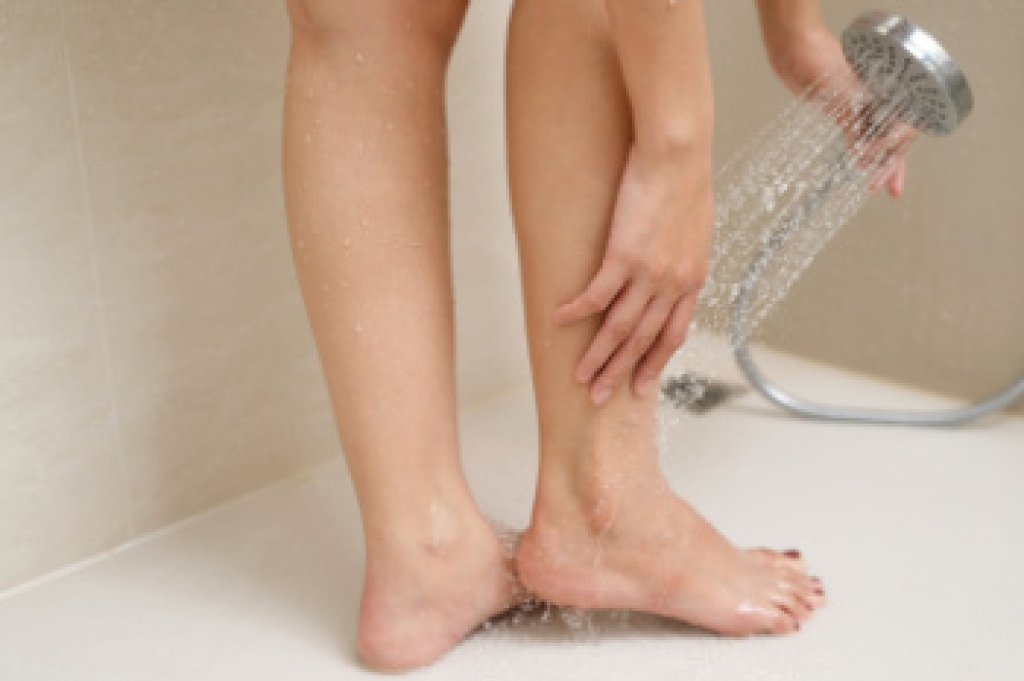
Healthy feet support comfort, mobility, and an active lifestyle. Simple daily habits can go a long way in protecting them. Washing the feet each day and drying carefully between the toes helps prevent skin infections. Moisturizing the tops and bottoms of the feet keeps skin from becoming dry and cracked, although lotion should not be placed between the toes. Toenails should be trimmed straight across to help prevent painful ingrown nails. Wearing well-fitted shoes with good support can reduce pressure and protect the feet from injury. It is also helpful to change socks regularly and choose breathable materials that keep feet dry. Regular movement and gentle stretching can keep muscles and joints working properly. Paying attention to any new pain, swelling, or changes in the skin or nails is important. If you notice persistent foot discomfort or unusual changes, it is suggested that you see a podiatrist for a proper diagnosis and appropriate treatment.

Everyday foot care is very important to prevent infection and other foot ailments. If you need your feet checked, contact Dr. Larry Cohen from New York City. Our doctor can provide the care you need to keep you pain-free and on your feet.

Everyday Foot Care

Often, people take care of their bodies, face and hair more so than they do for their feet. But the feet are a very important aspect of our bodies, and one that we should pay more attention to. Without our feet, we would not be able to perform most daily tasks.

It is best to check your feet regularly to make sure there are no new bruises or cuts that you may not have noticed before. For dry feet, moisturizer can easily be a remedy and can be applied as often as necessary to the affected areas. Wearing shoes that fit well can also help you maintain good foot health, as well as making it easier to walk and do daily activities without the stress or pain of ill-fitting shoes, high heels, or even flip flops. Wearing clean socks with closed shoes is important to ensure that sweat and bacteria do not accumulate within the shoe. Clean socks help to prevent Athlete’s foot, fungi problems, bad odors, and can absorb sweat.

If you have any questions, please feel free to contact our offices located in Midtown, Manhattan New York, NY . We offer the newest diagnostic and treatment technologies for all your foot care needs.

Read more about Every Day Foot Care

Heel Pain That Keeps You From Staying Active

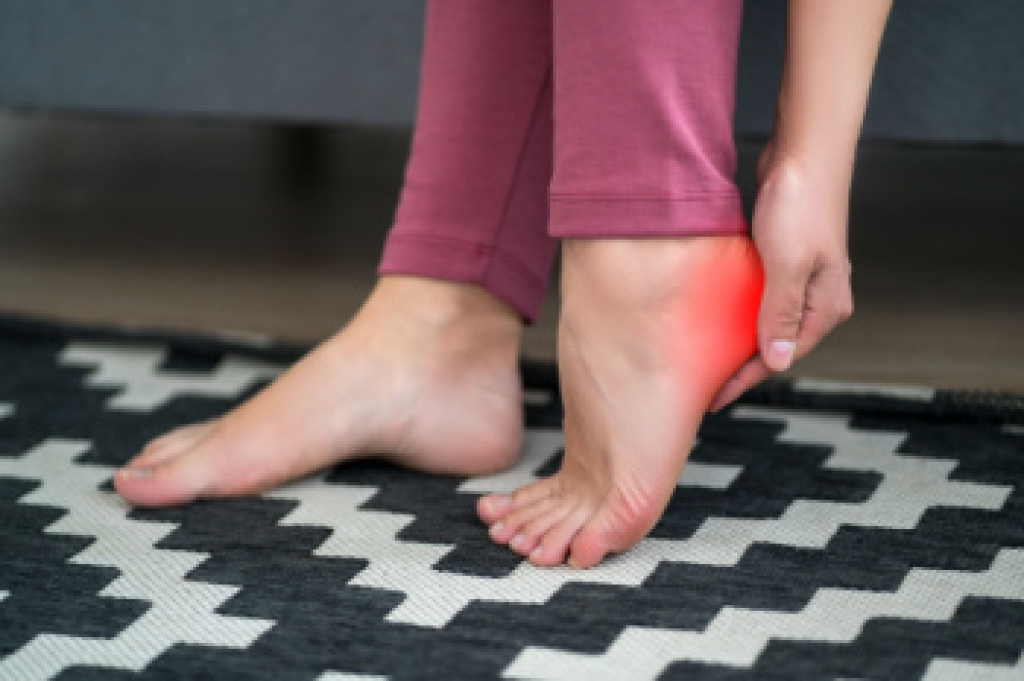
Persistent plantar fasciitis can make it difficult to stay active and enjoy everyday movement. The plantar fascia is a thick band of tissue that runs along the bottom of the foot and supports the arch. When this tissue becomes irritated or strained, it often causes sharp heel pain, especially during the first steps in the morning or after long periods of sitting. Many people try to push through the discomfort, but ongoing strain can worsen the condition. Walking, exercising, or even standing for long periods may become uncomfortable. Over time, reduced activity can affect overall health and limit participation in favorite hobbies such as walking, fitness classes, or recreational sports. Wearing supportive footwear, gentle stretching, and rest may help reduce irritation in the early stages. When heel pain is persistent and continues or interferes with daily activity, it is suggested that you see a podiatrist for a proper diagnosis and appropriate treatment.

Plantar fasciitis is a common foot condition that is often caused by a strain injury. If you are experiencing heel pain or symptoms of plantar fasciitis, contact Dr. Larry Cohen from New York City. Our doctor can provide the care you need to keep you pain-free and on your feet.

What Is Plantar Fasciitis?

Plantar fasciitis is one of the most common causes of heel pain. The plantar fascia is a ligament that connects your heel to the front of your foot. When this ligament becomes inflamed, plantar fasciitis is the result. If you have plantar fasciitis you will have a stabbing pain that usually occurs with your first steps in the morning. As the day progresses and you walk around more, this pain will start to disappear, but it will return after long periods of standing or sitting.

What Causes Plantar Fasciitis?

  • Excessive running
  • Having high arches in your feet
  • Other foot issues such as flat feet
  • Pregnancy (due to the sudden weight gain)
  • Being on your feet very often

There are some risk factors that may make you more likely to develop plantar fasciitis compared to others. The condition most commonly affects adults between the ages of 40 and 60. It also tends to affect people who are obese because the extra pounds result in extra stress being placed on the plantar fascia.

Prevention

  • Take good care of your feet – Wear shoes that have good arch support and heel cushioning.
  • Maintain a healthy weight
  • If you are a runner, alternate running with other sports that won’t cause heel pain

There are a variety of treatment options available for plantar fasciitis along with the pain that accompanies it. Additionally, physical therapy is a very important component in the treatment process. It is important that you meet with your podiatrist to determine which treatment option is best for you.

If you have any questions, please feel free to contact our offices located in Midtown, Manhattan New York, NY . We offer the newest diagnostic and treatment technologies for all your foot care needs.


Read more about Plantar Fasciitis

Understanding Heel Spurs and How They Develop

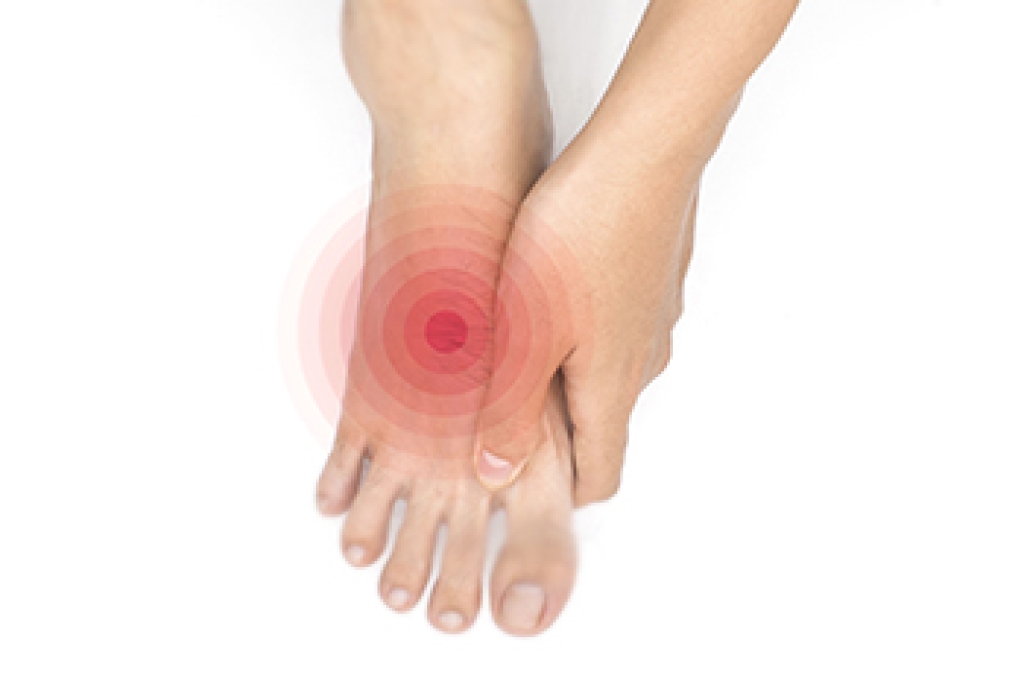
A heel spur is a small bony growth that forms where the heel bone meets the soft tissues of the foot. It often develops gradually in response to ongoing strain, tight muscles, or repeated pressure on the heel. Many people are surprised to learn that the spur itself is not always the source of discomfort. Instead, the surrounding inflammation and irritation can create sharp or aching pain when standing, walking, or getting out of bed in the morning. Flat feet, high arches, or worn footwear may contribute to the problem by placing added stress on the heel. Early attention can prevent symptoms from becoming more persistent. Supportive shoes, stretching, and reducing pressure in the area can help calm irritation, but lasting heel pain should never be ignored. If you notice recurring discomfort in your heel or suspect a heel spur, it is suggested that you see a podiatrist for a clear diagnosis and personalized treatment plan.

Heel spurs can be incredibly painful and sometimes may make you unable to participate in physical activities. To get medical care for your heel spurs, contact Dr. Larry Cohen from New York City. Our doctor will do everything possible to treat your condition.

Heels Spurs

Heel spurs are formed by calcium deposits on the back of the foot where the heel is. This can also be caused by small fragments of bone breaking off one section of the foot, attaching onto the back of the foot. Heel spurs can also be bone growth on the back of the foot and may grow in the direction of the arch of the foot.

Older individuals usually suffer from heel spurs and pain sometimes intensifies with age. One of the main condition's spurs are related to is plantar fasciitis.

Pain

The pain associated with spurs is often because of weight placed on the feet. When someone is walking, their entire weight is concentrated on the feet. Bone spurs then have the tendency to affect other bones and tissues around the foot. As the pain continues, the feet will become tender and sensitive over time.

Treatments

There are many ways to treat heel spurs. If one is suffering from heel spurs in conjunction with pain, there are several methods for healing. Medication, surgery, and herbal care are some options.

If you have any questions, please feel free to contact our offices located in Midtown, Manhattan New York, NY . We offer the newest diagnostic and treatment technologies for all your foot care needs.
Read more about How to Treat Heel Spurs

Why Live with Pain and Numbness in Your Feet?

Suffering from this type of pain? You may have the foot condition known as Morton's neuroma. Morton's neuroma may develop as a result of ill-fitting footwear and existing foot deformities. We can help.

Nerve Pain Can Signal a Deeper Problem

Nerve pain in the foot can feel sharp, burning, tingling, or electric, and it may point to neuropathy or Morton’s neuroma. Neuropathy often develops gradually, and may be linked to diabetes, injury, or other medical conditions. The feet can feel numb, weak, or overly sensitive, and symptoms are often noticed in both feet. In contrast, Morton’s neuroma involves thickening of tissue surrounding a nerve between the third and fourth toes. Along with shooting pain or tingling into the toes, patients often describe the sensation  as being similar to standing on a pebble. The area may look normal, but squeezing the forefoot can reproduce the discomfort. A podiatrist will perform a detailed examination and may order imaging or nerve testing to determine the exact cause. Treatment can include custom orthotics, shoe changes, medication, or targeted procedures. If you have persistent nerve pain in the foot, it is suggested that you schedule an appointment with a podiatrist for an evaluation and appropriate care.

Neuropathy

Neuropathy can be a potentially serious condition, especially if it is left undiagnosed. If you have any concerns that you may be experiencing nerve loss in your feet, consult with Dr. Larry Cohen from New York City. Our doctor will assess your condition and provide you with quality foot and ankle treatment for neuropathy.

What Is Neuropathy?

Neuropathy is a condition that leads to damage to the nerves in the body. Peripheral neuropathy, or neuropathy that affects your peripheral nervous system, usually occurs in the feet. Neuropathy can be triggered by a number of different causes. Such causes include diabetes, infections, cancers, disorders, and toxic substances.

Symptoms of Neuropathy Include:

  • Numbness
  • Sensation loss
  • Prickling and tingling sensations
  • Throbbing, freezing, burning pains
  • Muscle weakness

Those with diabetes are at serious risk due to being unable to feel an ulcer on their feet. Diabetics usually also suffer from poor blood circulation. This can lead to the wound not healing, infections occurring, and the limb may have to be amputated.

Treatment

To treat neuropathy in the foot, podiatrists will first diagnose the cause of the neuropathy. Figuring out the underlying cause of the neuropathy will allow the podiatrist to prescribe the best treatment, whether it be caused by diabetes, toxic substance exposure, infection, etc. If the nerve has not died, then it’s possible that sensation may be able to return to the foot.

Pain medication may be issued for pain. Electrical nerve stimulation can be used to stimulate nerves. If the neuropathy is caused from pressure on the nerves, then surgery may be necessary.

If you have any questions, please feel free to contact our offices located in Midtown, Manhattan New York, NY . We offer the newest diagnostic and treatment technologies for all your foot care needs.
Read more about Neuropathy

Definition and Risk Factors for Athlete’s Foot

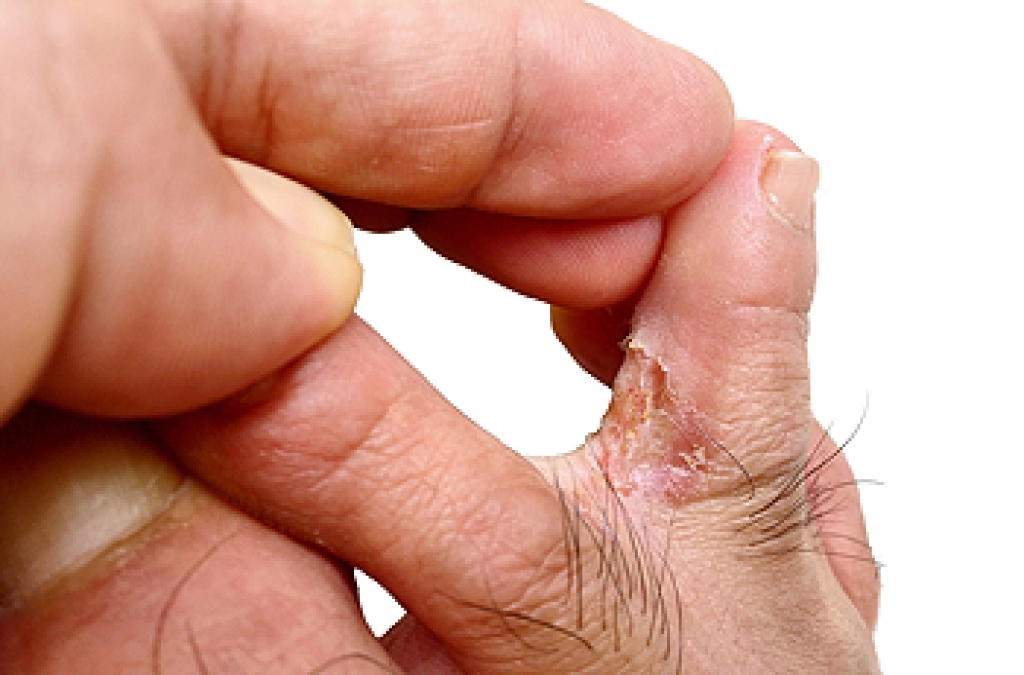
Athlete’s foot, medically known as tinea pedis, is a common fungal infection that affects the skin on the feet, especially between the toes. It develops when fungi grow in warm, moist environments such as sweaty shoes or locker rooms. Symptoms include itching, burning, redness, and peeling skin. Also, cracking, and sometimes blisters or odor can result. Causes include prolonged moisture exposure, walking barefoot in public areas, and wearing tight footwear. Risk factors consist of excessive sweating, weakened immunity, and poor foot hygiene. A podiatrist can accurately diagnose the infection, prescribe effective antifungal treatment, and provide guidance to prevent recurrence. If you have symptoms of athlete’s foot, it is suggested that you consult a podiatrist who can effectively treat this condition, which may include prescribed medication.

Athlete’s foot is an inconvenient condition that can be easily reduced with the proper treatment. If you have any concerns about your feet and ankles, contact Dr. Larry Cohen from New York City.  Our doctor will treat your foot and ankle needs.

Athlete’s Foot: The Sole Story

Athlete's foot, also known as tinea pedis, can be an extremely contagious foot infection. It is commonly contracted in public changing areas and bathrooms, dormitory style living quarters, around locker rooms and public swimming pools, or anywhere your feet often come into contact with other people.

Solutions to Combat Athlete’s Foot

  • Hydrate your feet by using lotion
  • Exfoliate
  • Buff off nails
  • Use of anti-fungal products
  • Examine your feet and visit your doctor if any suspicious blisters or cuts develop

Athlete’s foot can cause many irritating symptoms such as dry and flaking skin, itching, and redness. Some more severe symptoms can include bleeding and cracked skin, intense itching and burning, and even pain when walking. In the worst cases, Athlete’s foot can cause blistering as well. Speak to your podiatrist for a better understanding of the different causes of Athlete’s foot, as well as help in determining which treatment options are best for you.

If you have any questions please feel free to contact our offices located in Midtown, Manhattan New York, NY . We offer the newest diagnostic and treatment technologies for all your foot and ankle needs.

Read more about How to Deal with Athlete's Foot
Connect with us

Follow Larry Cohen, DPM on Facebook Follow Larry Cohen, DPM on Twitter Tips on foot care for patients and best podiatry practices in Midtown Manhattan New York, NY