
Blog

Bone Contusions

Contusions occur when an injured blood vessel leaks blood into the surrounding areas. On your skin, this typically means that a bruise will appear, with skin discoloration, tenderness, and pain. But did you know that you can also bruise a bone? Bones are made of tissues and blood vessels. An injury to the area, from a car accident, fall, or high impact sport for example, could make a blood vessel leak, creating a contusion. Symptoms of a bone contusion include stiffness, swelling, tenderness, difficulty using the affected area, and pain that lasts longer than the pain caused by a bruise elsewhere on the body. Bone bruises can take anywhere from a few days to a few months to heal, and recommended treatments vary based on the severity of the injury. If you are experiencing any foot or ankle pain, it is suggested that you consult with a podiatrist.

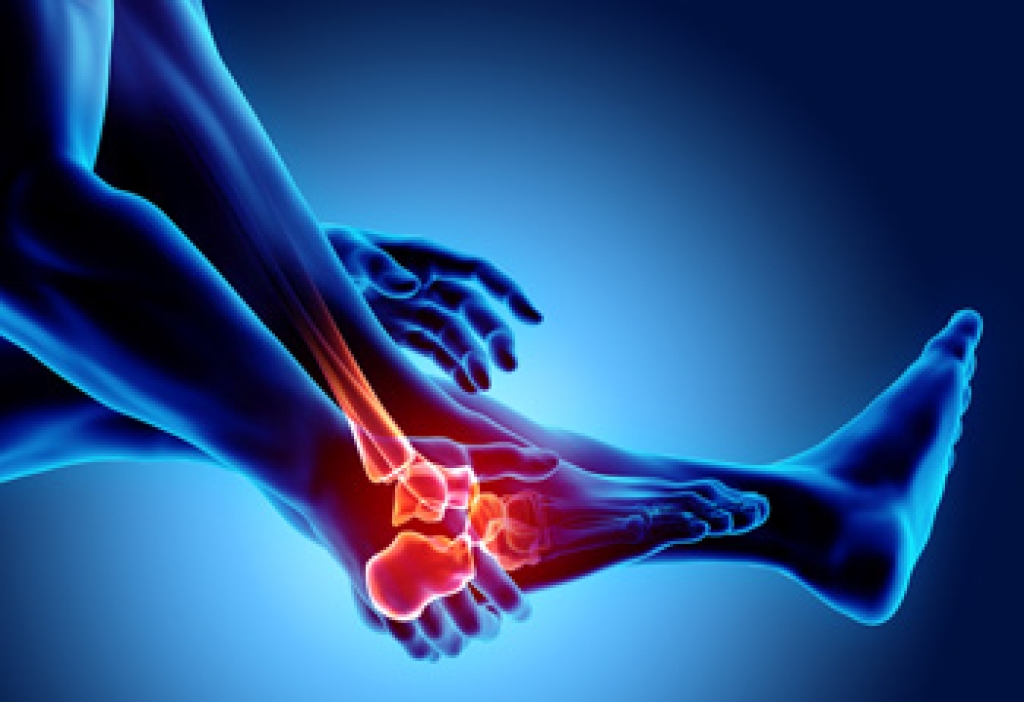
Ankle and foot injuries are common among athletes and in many sports. They can be caused by several problems and may be potentially serious. If you are feeling pain or think you were injured in a sporting event or when exercising, consult with Dr. Larry Cohen from New York City. Our doctor will assess your condition and provide you with quality foot and ankle treatment.

Common Injuries

The most common injuries that occur in sporting activities include:

  • Achilles Tendonitis
  • Achilles Tendon Rupture
  • Ankle Sprains
  • Broken Foot
  • Plantar Fasciitis
  • Stress Fractures
  • Turf Toe

Symptoms

Symptoms vary depending upon the injury and in some cases, there may be no symptoms at all. However, in most cases, some form of symptom is experienced. Pain, aching, burning, bruising, tenderness, tightness or stiffness, sensation loss, difficulty moving, and swelling are the most common symptoms.

Treatment

Just as symptoms vary depending upon the injury, so do treatment options. A common treatment method is known as the RICE method. This method involves rest, applying ice, compression and elevating the afflicted foot or ankle. If the injury appears to be more serious, surgery might be required, such as arthroscopic or reconstructive surgery. Lastly, rehabilitation or therapy might be needed to gain full functionality in the afflicted area. Any discomfort experienced by an athlete must be evaluated by a licensed, reputable medical professional.  

If you have any questions please contact our offices located in Midtown, Manhattan New York, NY . We offer the newest diagnostic and treatment technologies for all your foot and ankle needs.

Read more about Sports Related Foot and Ankle Injuries

Do Your Child's Feet Hurt?

Have your child's feet been examined lately? Healthy feet are happy feet. If your child is complaining of foot pain, it may be a sign of underlying problems.

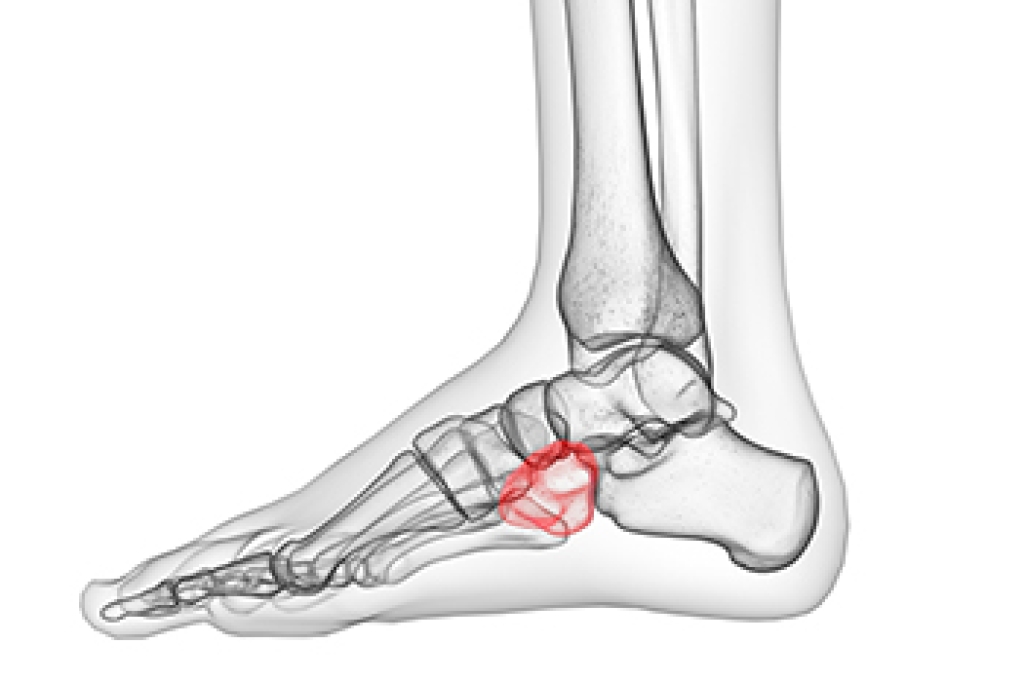
Signs of Cuboid Syndrome

The cuboid is a cube-shaped bone located in the middle of your foot. This bone can become injured or dislocated following an injury to the foot. People who play sports that put a lot of stress on the feet and people with notable overpronation of the feet are said to have an increased risk for developing this condition. The most common symptom of cuboid syndrome is pain and weakness in the affected foot, particularly when bearing weight. The foot may also be swollen, tender, or red. These symptoms can be severe enough to make walking or standing difficult, sometimes causing a limp, and interfering with daily activities. Symptoms can also have a sudden or gradual onset. If your foot is showing any signs or symptoms of cuboid syndrome, it is suggested that you consult with a podiatrist as soon as possible.

Cuboid syndrome, also known as cuboid subluxation, occurs when the joints and ligaments near the cuboid bone in the foot become torn. If you have cuboid syndrome, consult with Dr. Larry Cohen from New York City. Our doctor will assess your condition and provide you with quality foot and ankle treatment.

Cuboid syndrome is a common cause of lateral foot pain, which is pain on the outside of the foot. The condition may happen suddenly due to an ankle sprain, or it may develop slowly overtime from repetitive tension through the bone and surrounding structures.

Causes

The most common causes of cuboid syndrome include:

  • Injury – The most common cause of this ailment is an ankle sprain.
  • Repetitive Strain – Tension placed through the peroneus longus muscle from repetitive activities such as jumping and running may cause excessive traction on the bone causing it to sublux.
  • Altered Foot Biomechanics – Most people suffering from cuboid subluxation have flat feet.

Symptoms

A common symptom of cuboid syndrome is pain along the outside of the foot which can be felt in the ankle and toes. This pain may create walking difficulties and may cause those with the condition to walk with a limp.

Diagnosis

Diagnosis of cuboid syndrome is often difficult, and it is often misdiagnosed. X-rays, MRIs and CT scans often fail to properly show the cuboid subluxation. Although there isn’t a specific test used to diagnose cuboid syndrome, your podiatrist will usually check if pain is felt while pressing firmly on the cuboid bone of your foot.

Treatment

Just as the range of causes varies widely, so do treatments. Some more common treatments are ice therapy, rest, exercise, taping, and orthotics.

If you have any questions, please feel free to contact our offices located in Midtown, Manhattan New York, NY . We offer the newest diagnostic and treatment technologies for all your foot care needs.

Read more about Cuboid Syndrome

The Progressive Foot Disorder Known as Hammertoe

A hammertoe occurs when the middle joint in a toe is stuck in a bent position and the toe curls down, rather than laying flat. This deformity can develop in any toe other than the big toe. An imbalance in the muscles or tendons in the feet can lead to a hammertoe forming over time. Genetics may predispose certain people to hammertoes, which can be brought on by wearing pointy, narrow high heels. Having bunions, or certain diseases such as Charcot-Marie-Tooth, diabetes, or arthritis, can also contribute to the development of a hammertoe. In the early stages, the contraction is flexible and the toe can still move. In time, the bent toe can become rigid as the condition progresses. That is why it is important to seek the care of a podiatrist in the early stages, when more conservative therapies can be deployed to correct the deformity without surgery.

Hammertoe

Hammertoes can be a painful condition to live with. For more information, contact Dr. Larry Cohen from New York City. Our doctor will answer any of your foot- and ankle-related questions.

Hammertoe is a foot deformity that affects the joints of the second, third, fourth, or fifth toes of your feet. It is a painful foot condition in which these toes curl and arch up, which can often lead to pain when wearing footwear.

Symptoms

  • Pain in the affected toes
  • Development of corns or calluses due to friction
  • Inflammation
  • Redness
  • Contracture of the toes

Causes

Genetics – People who are genetically predisposed to hammertoe are often more susceptible

Arthritis – Because arthritis affects the joints in your toes, further deformities stemming from arthritis can occur

Trauma – Direct trauma to the toes could potentially lead to hammertoe

Ill-fitting shoes – Undue pressure on the front of the toes from ill-fitting shoes can potentially lead to the development of hammertoe

Treatment

Orthotics – Custom made inserts can be used to help relieve pressure placed on the toes and therefore relieve some of the pain associated with it

Medications – Oral medications such as anti-inflammatories or NSAIDs could be used to treat the pain and inflammation hammertoes causes. Injections of corticosteroids are also sometimes used

Surgery – In more severe cases where the hammertoes have become more rigid, foot surgery is a potential option

If you have any questions, please feel free to contact our offices located in Midtown, Manhattan New York, NY . We offer the newest diagnostic and treatment technologies for all your foot care needs.

Read more about Hammertoe

How Severe Is My Ankle Sprain?

Sprained ankles generally occur when a ligament in the ankle is overstretched or torn. This may happen from any sudden twisting or turning of the ankle. Sprains are typically categorized into one of three types based on how severe the injury is. A Grade 1 ankle sprain occurs when the ligament is strained but not torn. Symptoms include mild pain, slight swelling, joint instability, mild joint stiffness, and difficulty jogging or jumping. A Grade 2 ankle sprain occurs when the ligament is partially torn, and this is usually the most common type of ankle sprain. Symptoms include significant swelling, bruising, moderate pain, a reduced range of motion, and trouble walking. A Grade 3 ankle sprain occurs when a ligament is torn completely. Symptoms include severe swelling, pain, joint instability, loss of motion, and extreme difficulty walking. If you have sprained your ankle, it is suggested that you visit a podiatrist as soon as possible. A podiatrist can determine the severity of an ankle sprain and provide the right treatments for you. 

Although ankle sprains are common, they aren’t always minor injuries. If you need your ankle injury looked at, contact Dr. Larry Cohen from New York City. Our doctor can provide the care you need to keep you pain-free and on your feet.

How Does an Ankle Sprain Occur?

Ankle sprains are the result of a tear in the ligaments within the ankle. These injuries may happen when you make a rapid shifting movement while your foot is planted. A less common way to sprain your ankle is when your ankle rolls inward while your foot turns outward.

What Are the Symptoms?

  • Pain at the sight of the tear
  • Bruising/Swelling
  • Ankle area is tender to touch
  • In severe cases, may hear/feel something tear
  • Skin discoloration

Preventing a Sprain

  • Wearing appropriate shoes for the occasion
  • Stretching before exercises and sports
  • Knowing your limits

Treatment of a Sprain

In many cases, the RICE method (Rest, Ice, Compression, and Elevate) is used to treat ankle sprains. However, you should see a podiatrist to see which treatment option would work best with your injury. In severe cases, surgery may be required.

It is important to ask your doctor about rehab options after you receive treatment for your injury. Stretching, strength training, and balance exercises may help the ankle heal while also preventing further injury.

If you have any questions, please feel free to contact our offices located in Midtown, Manhattan New York, NY . We offer the newest diagnostic and treatment technologies for all your foot care needs.

Read more about Ankle Sprains
Connect with us

Follow Larry Cohen, DPM on Facebook Follow Larry Cohen, DPM on Twitter Tips on foot care for patients and best podiatry practices in Midtown Manhattan New York, NY