
Blog

Definition and Risk Factors for Athlete’s Foot

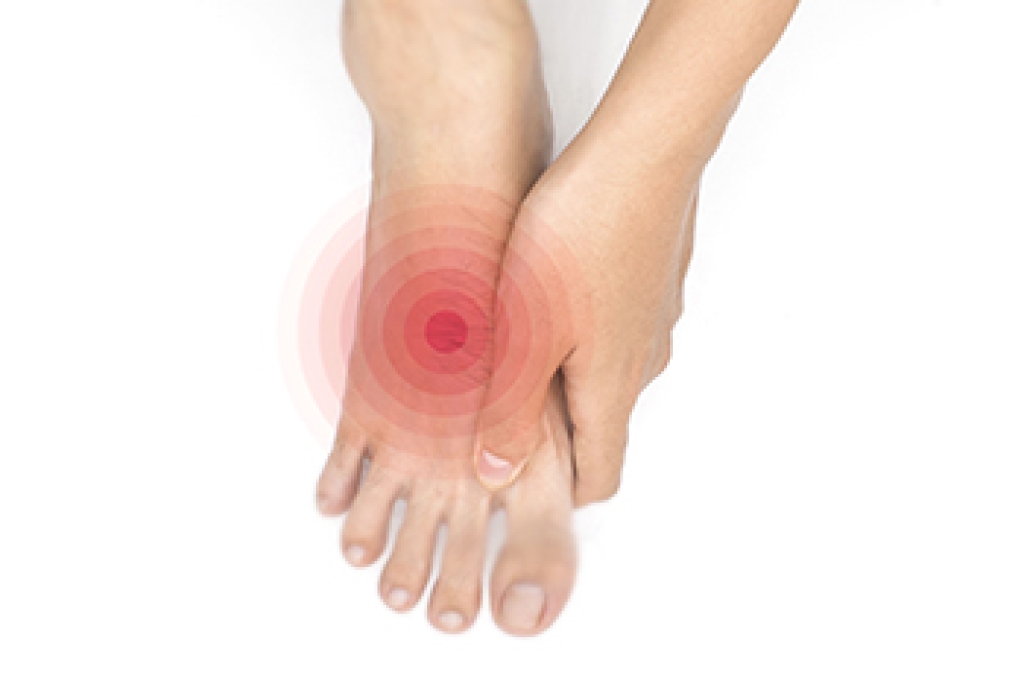
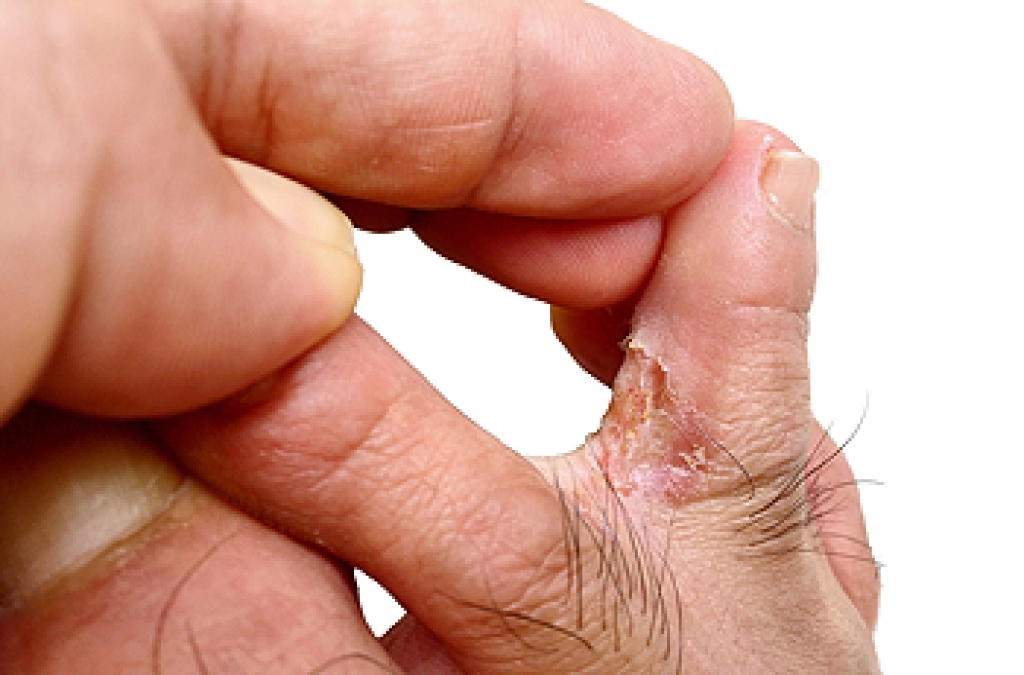
Athlete’s foot, medically known as tinea pedis, is a common fungal infection that affects the skin on the feet, especially between the toes. It develops when fungi grow in warm, moist environments such as sweaty shoes or locker rooms. Symptoms include itching, burning, redness, and peeling skin. Also, cracking, and sometimes blisters or odor can result. Causes include prolonged moisture exposure, walking barefoot in public areas, and wearing tight footwear. Risk factors consist of excessive sweating, weakened immunity, and poor foot hygiene. A podiatrist can accurately diagnose the infection, prescribe effective antifungal treatment, and provide guidance to prevent recurrence. If you have symptoms of athlete’s foot, it is suggested that you consult a podiatrist who can effectively treat this condition, which may include prescribed medication.

Athlete’s foot is an inconvenient condition that can be easily reduced with the proper treatment. If you have any concerns about your feet and ankles, contact Dr. Larry Cohen from New York City.  Our doctor will treat your foot and ankle needs.

Athlete’s Foot: The Sole Story

Athlete's foot, also known as tinea pedis, can be an extremely contagious foot infection. It is commonly contracted in public changing areas and bathrooms, dormitory style living quarters, around locker rooms and public swimming pools, or anywhere your feet often come into contact with other people.

Solutions to Combat Athlete’s Foot

  • Hydrate your feet by using lotion
  • Exfoliate
  • Buff off nails
  • Use of anti-fungal products
  • Examine your feet and visit your doctor if any suspicious blisters or cuts develop

Athlete’s foot can cause many irritating symptoms such as dry and flaking skin, itching, and redness. Some more severe symptoms can include bleeding and cracked skin, intense itching and burning, and even pain when walking. In the worst cases, Athlete’s foot can cause blistering as well. Speak to your podiatrist for a better understanding of the different causes of Athlete’s foot, as well as help in determining which treatment options are best for you.

If you have any questions please feel free to contact our offices located in Midtown, Manhattan New York, NY . We offer the newest diagnostic and treatment technologies for all your foot and ankle needs.

Read more about How to Deal with Athlete's Foot

Plantar Fibroma and Fibromatosis Management Options

A plantar fibroma is a single benign lump that develops within the plantar fascia, the thick band of tissue along the bottom of the foot. Plantar fibromatosis refers to a more extensive condition in which multiple fibromas form and may gradually enlarge or spread. Both can cause localized pain, pressure with walking, and discomfort when standing for long periods, although fibromatosis is often more persistent and challenging to manage. Treatment focuses on reducing pressure and irritation. Custom orthotics, padding, and wearing supportive footwear help offload the affected area. Stretching and anti-inflammatory measures may ease symptoms. In some cases, targeted injections or other conservative therapies are considered. Surgery is approached cautiously, especially with fibromatosis, due to recurrence risk and scar tissue development. When ongoing arch pain or lumps interfere with daily activities, it is suggested that you obtain an evaluation by a podiatrist who can guide appropriate management and treatment.

A plantar fibroma may disrupt your daily activities. If you have any concerns, contact Dr. Larry Cohen of New York City. Our doctor can provide the care you need to keep you pain-free and on your feet.

Plantar Fibroma

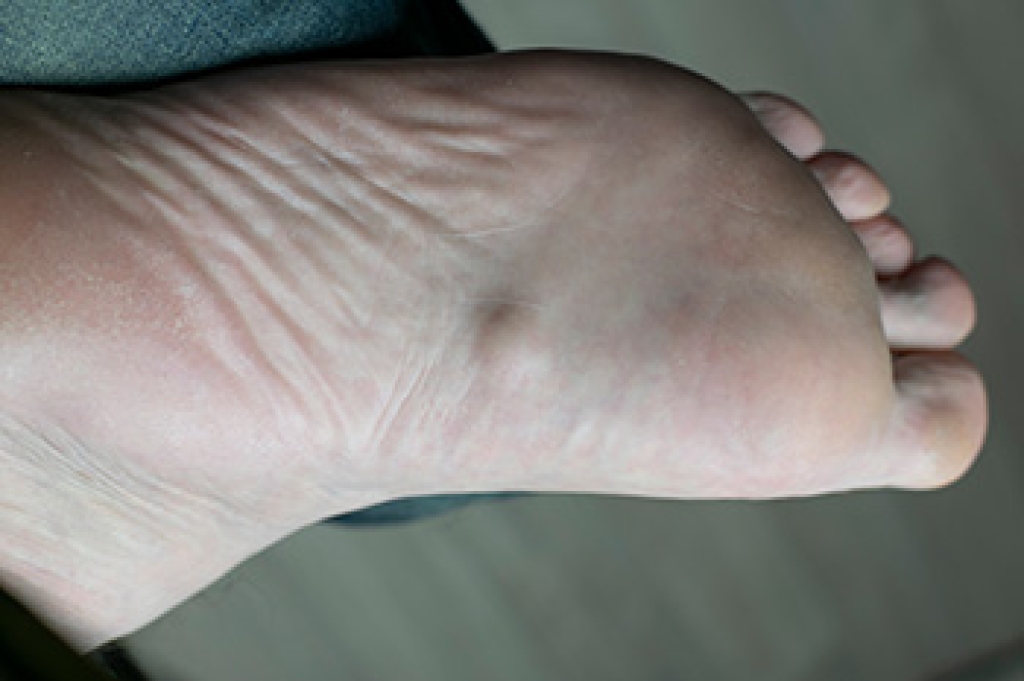
A plantar fibroma is a fibrous knot in the arch of the foot. It is embedded in the plantar fascia which is a band of tissue that extends from the heel to the toes along the bottom of the foot. There can be multiple plantar fibromas in the feet at the same time. There are no known causes for this condition. If you have a plantar fibroma, there will be a bump in the arch of your foot that cannot be missed. Any associated pain is most often due to a shoe rubbing against the nodule. Non-surgical options, such as steroid injections, physical therapy, and orthotics should be tried first. Surgery is a last resort and is the only thing that will remove a plantar fibroma entirely. Consult with a podiatrist for a proper diagnosis and to determine the treatment regimen that is right for you.

What Causes a Plantar Fibroma?

While there are no specific causes identified, a plantar fibroma can possibly come from genetic predisposition or the formation of scar tissue that forms from healing the tears in the plantar fascia.

What Are the Symptoms of a Plantar Fibroma?

There will be a noticeable lump in the arch of the foot that may or may not cause pain. If pain is felt, it is typically because a shoe is rubbing up against the lump or when walking or standing barefoot.

Treatment and Prevention

A plantar fibroma will not disappear without treatment, but it can get smaller and be a non-issue. If pain persists, a podiatrist examines the foot and when the arch of the foot is pressed, pain can be felt down to the toes. An MRI or biopsy might be performed to help diagnose or evaluate the plantar fibroma. The following non-surgical options are generally enough to reduce the size and pain of these nodules:

  • Steroid injections
  • Orthotics
  • Physical therapy to help apply anti-inflammatory creams on the bump 

Surgery is considered if the mass increases in size and the patient continues to feel pain after non-surgical methods are tried.

If you have any questions, please feel free to contact our offices located in Midtown, Manhattan New York, NY . We offer the newest diagnostic and treatment technologies for all your foot care needs.
Read more about Plantar Fibroma

Formation and Treatment of Ingrown Toenails

Ingrown toenails form when the edge of a toenail grows into the surrounding skin, often affecting the big toe. This can occur from improper nail trimming, pressure from footwear, toe deformities, or trauma. As the nail penetrates the skin, inflammation may develop, leading to redness, swelling, tenderness, and drainage. If left untreated, ingrown toenails can become infected and painful, interfering with walking, work, and other activities. A podiatrist can evaluate the affected toe and identify contributing factors, such as gait mechanics or structural issues of the foot. Treatment includes relieving pressure, addressing infection, correcting nail growth patterns, or performing a minor in office procedure to remove the problematic nail portion. If you have pain from an ingrown toenail, it is suggested that you make an appointment with a podiatrist for an exam, diagnosis, and treatment.

Ingrown toenails may initially present themselves as a minor discomfort, but they may progress into an infection in the skin without proper treatment. For more information about ingrown toenails, contact Dr. Larry Cohen of New York City. Our doctor can provide the care you need to keep you pain-free and on your feet.

Ingrown Toenails

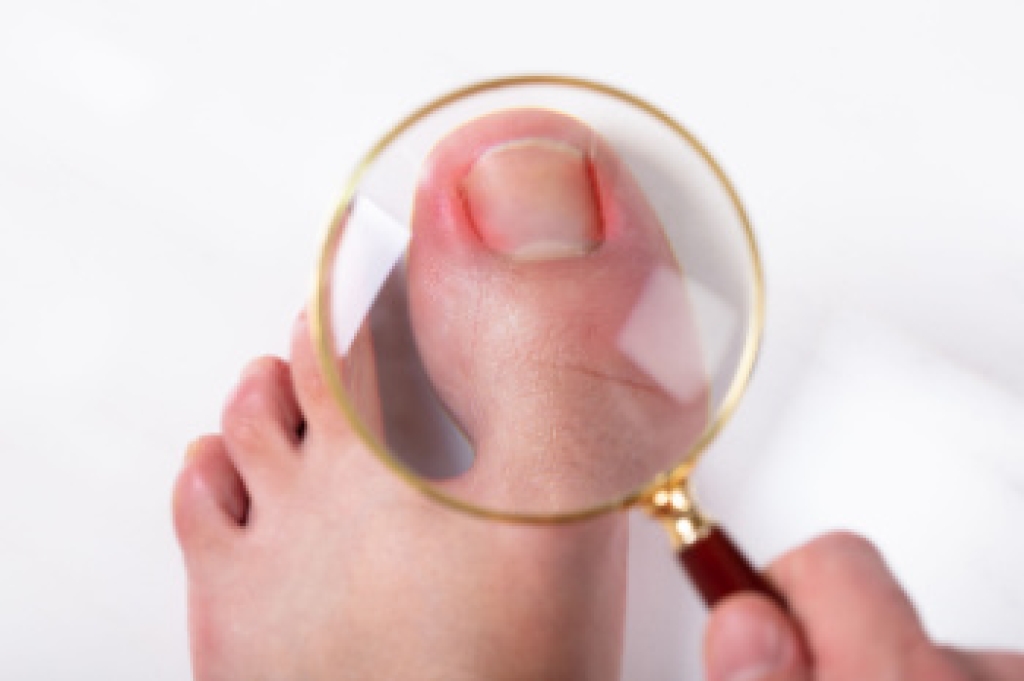
Ingrown toenails are caused when the corner or side of a toenail grows into the soft flesh surrounding it. They often result in redness, swelling, pain, and in some cases, infection. This condition typically affects the big toe and may recur if it is not treated properly.

Causes

  • Improper toenail trimming
  • Genetics
  • Improper shoe fitting
  • Injury from pedicures or nail picking
  • Abnormal gait
  • Poor hygiene

You are more likely to develop an ingrown toenail if you are obese, have diabetes, arthritis, or have any fungal infection in your nails. Additionally, people who have foot or toe deformities are at a higher risk of developing an ingrown toenail.

Symptoms

Some symptoms of ingrown toenails are redness, swelling, and pain. In rare cases, there may be a yellowish drainage coming from the nail.

Treatment

Ignoring an ingrown toenail can have serious complications. Infections of the nail border can progress to a deeper soft-tissue infection, which can then turn into a bone infection. You should always speak with your podiatrist if you suspect you have an ingrown toenail, especially if you have diabetes or poor circulation.

If you have any questions, please feel free to contact our offices located in Midtown, Manhattan New York, NY . We offer the newest diagnostic and treatment technologies for all your foot care needs.
Read more about Ingrown Toenails

Plantar Fasciitis and How to Find Relief

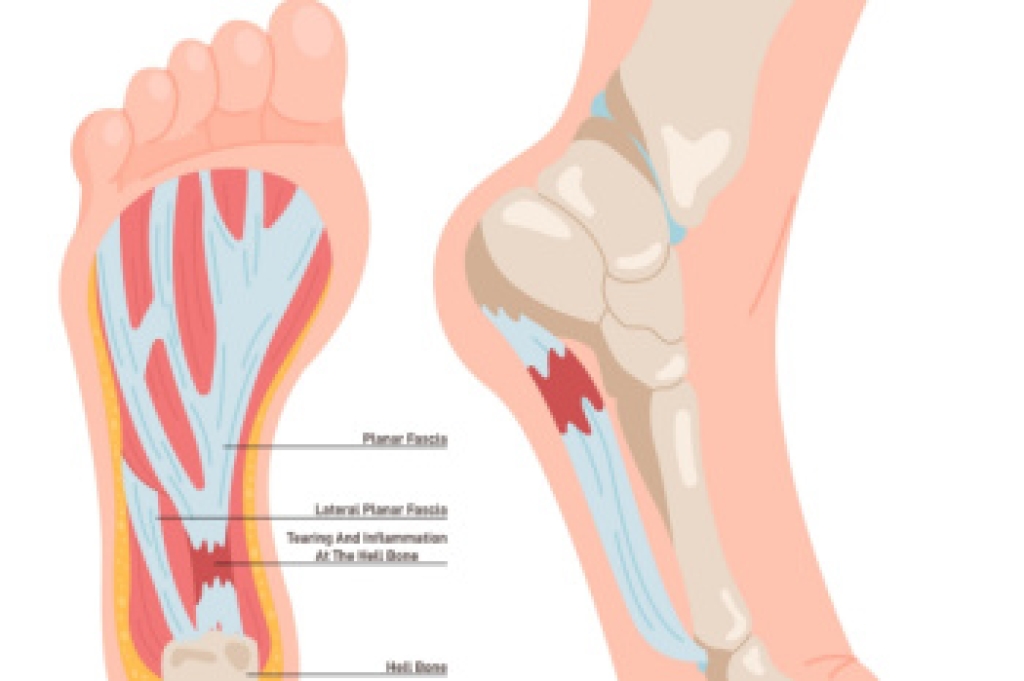
Plantar fasciitis is a common condition that affects the thick band of tissue on the bottom of the foot that supports the arch. It often occurs when this tissue becomes irritated from overuse, wearing improper footwear, or standing for long periods of time. Risk factors include high arches, flat feet, tight calf muscles, and increased activity. Symptoms include heel pain, stiffness, and discomfort that is often worse in the morning or after rest. A podiatrist can identify the cause, provide targeted treatment, recommend supportive footwear, and guide stretching and strengthening routines to ease strain on the heel. Heel pain can be painful, and may affect daily activities. If this applies to you, it is suggested that you consult a podiatrist who can accurately diagnose and treat what may be going on.

Plantar fasciitis can be very painful and inconvenient. If you are experiencing heel pain or symptoms of plantar fasciitis, contact Dr. Larry Cohen  from New York City. Our doctor can provide the care you need to keep you pain-free and on your feet.

What Is Plantar Fasciitis?

Plantar fasciitis is the inflammation of the thick band of tissue that runs along the bottom of your foot, known as the plantar fascia, and causes mild to severe heel pain.

What Causes Plantar Fasciitis?

  • Excessive running
  • Non-supportive shoes
  • Overpronation
  • Repeated stretching and tearing of the plantar fascia

How Can It Be Treated?

  • Conservative measures – anti-inflammatories, ice packs, stretching exercises, physical therapy, orthotic devices
  • Shockwave therapy – sound waves are sent to the affected area to facilitate healing and are usually used for chronic cases of plantar fasciitis
  • Surgery – usually only used as a last resort when all else fails. The plantar fascia can be surgically detached from the heel

While very treatable, plantar fasciitis is definitely not something that should be ignored. Especially in severe cases, speaking to your doctor right away is highly recommended to avoid complications and severe heel pain. Your podiatrist can work with you to provide the appropriate treatment options tailored to your condition.

If you have any questions, please feel free to contact our offices located in Midtown, Manhattan New York, NY . We offer the newest diagnostic and treatment technologies for all your foot care needs.
Read more about Plantar Fasciitis

Do Your Child's Feet Hurt?

Have your child's feet been examined lately? Healthy feet are happy feet. If your child is complaining of foot pain, it may be a sign of underlying problems.

Foot Exercises to Relieve Tight Ankles and Foot Pain

Tight ankles, calves, and foot pain can significantly affect mobility and comfort. To relieve these issues, certain foot exercises can be highly effective. One simple exercise is ankle stretches, where you gently pull the foot towards you, holding for several seconds to stretch the ankle. This helps release tightness and improve flexibility. To target tight calves, try calf stretches by standing with your hands against a wall and leaning forward to stretch the calf muscles. Another useful exercise is the towel stretch, where you sit with your legs extended, using a towel around the foot to pull it towards you, stretching both the calves and the foot. Additionally, rolling a tennis ball under the foot can alleviate tension and promote blood circulation. Regularly performing these exercises can help reduce pain, increase flexibility, and improve overall foot health. If you have sustained foot pain, it is suggested that you consult a podiatrist who can treat various foot conditions, and guide you on how to practice appropriate foot exercises.

Exercising your feet regularly with the proper foot wear is a great way to prevent injuries and build strength. If you have any concerns about your feet, contact Dr. Larry Cohen from New York City. Our doctor can provide the care you need to keep you pain-free and on your feet.

Exercise for Your Feet

Exercise for your feet can help you gain strength, mobility and flexibility in your feet. They say that strengthening your feet can be just as rewarding as strengthening another part of the body. Your feet are very important, and we often forget about them in our daily tasks. But it is because of our feet that are we able to get going and do what we need to. For those of us fortunate enough to not have any foot problems, it is an important gesture to take care of them to ensure good health in the long run.

Some foot health exercises can include ankle pumps, tip-toeing, toe rises, lifting off the floor doing reps and sets, and flexing the toes. It is best to speak with Our doctor to determine an appropriate regimen for your needs. Everyone’s needs and bodies are different, and the activities required to maintain strength in the feet vary from individual to individual. 

Once you get into a routine of doing regular exercise, you may notice a difference in your feet and how strong they may become.

If you have any questions, please feel free to contact our offices located in Midtown, Manhattan New York, NY . We offer the newest diagnostic and treatment technologies for all your foot care needs.

Read more about Exercise for Your Feet

Understanding Sesamoiditis and Why It Hurts So Much

Sesamoiditis is a painful inflammation of the tiny sesamoid bones located beneath the big toe joint. These small bones act like pulleys, helping the tendons move smoothly and absorb pressure with every step. When they become irritated from overuse, repetitive impact, or increased activity on hard surfaces, pain develops directly under the big toe. Many people describe a deep ache or sharp discomfort that worsens when pushing off the toe while walking. Swelling, tenderness, and difficulty bending the big toe are common signs. Dancers, runners, people with high arches, and anyone who spends long hours on their feet are more prone to this condition. Without proper care, symptoms can progress and interfere with daily movement. Rest, wearing supportive footwear, and targeted treatments can provide relief. If you notice persistent pain beneath your big toe or difficulty bearing weight, it is suggested that you see a podiatrist for an evaluation and personalized treatment.

Sesamoiditis is an unpleasant foot condition characterized by pain in the balls of the feet. If you think you’re struggling with sesamoiditis, contact Dr. Larry Cohen of New York City. Our doctor will treat your condition thoroughly and effectively.

Sesamoiditis

Sesamoiditis is a condition of the foot that affects the ball of the foot. It is more common in younger people than it is in older people. It can also occur with people who have begun a new exercise program, since their bodies are adjusting to the new physical regimen. Pain may also be caused by the inflammation of tendons surrounding the bones. It is important to seek treatment in its early stages because if you ignore the pain, this condition can lead to more serious problems such as severe irritation and bone fractures.

Causes of Sesamoiditis

  • Sudden increase in activity
  • Increase in physically strenuous movement without a proper warm up or build up
  • Foot structure: those who have smaller, bonier feet or those with a high arch may be more susceptible

Treatment for sesamoiditis is non-invasive and simple. Doctors may recommend a strict rest period where the patient forgoes most physical activity. This will help give the patient time to heal their feet through limited activity. For serious cases, it is best to speak with your doctor to determine a treatment option that will help your specific needs.

If you have any questions, please feel free to contact our offices located in Midtown, Manhattan New York, NY . We offer the newest diagnostic and treatment technologies for all your foot care needs.

Read more about Sesamoiditis

Red and Shiny Lesions on Children’s Feet

Dry, red, shiny patches on a child’s feet can look alarming, but several conditions may cause this appearance. One common source is juvenile plantar dermatosis, a condition that creates smooth, reddish areas on the forefoot due to friction, sweat, and tight footwear. Eczema can also create irritated, dry patches that become shiny when the skin is inflamed. Some children react to detergents, shoe materials, or dyes, leading to contact dermatitis that appears as bright, irritated skin. Although less frequent in younger children, fungal infections may cause peeling, redness, and discomfort. Psoriasis can occasionally involve the feet as well, creating distinct shiny plaques. Rarely, certain illnesses that cause redness and swelling of the feet may be involved. A podiatrist can identify the cause, guide treatment, and recommend ways to protect the skin. If your child’s symptoms continue or worsen, it is suggested that you see a podiatrist for an accurate diagnosis and effective treatment solutions.

Making sure that your children maintain good foot health is very important as they grow. If you have any questions, contact Dr. Larry Cohen of New York City. Our doctor can provide the care you need to keep you pain-free and on your feet.

Keeping Children's Feet Healthy

Having healthy feet during childhood can help prevent medical problems later in life, namely in the back and legs. As children grow, their feet require different types of care. Here are some things to consider...

Although babies do not walk yet, it is still very important to take care of their feet.

Avoid putting tight shoes or socks on his or her feet.

Allow the baby to stretch and kick his or her feet to feel comfortable.

As a toddler, kids are now on the move and begin to develop differently. At this age, toddlers are getting a feel for walking, so don’t be alarmed if your toddler is unsteady or ‘walks funny’. 

As your child gets older, it is important to teach them how to take care of their feet.

Show them proper hygiene to prevent infections such as fungus.

Be watchful for any pain or injury.

Have all injuries checked by a doctor as soon as possible.

Comfortable, protective shoes should always be worn, especially at play.

If you have any questions, please feel free to contact our offices located in Midtown, Manhattan New York, NY . We offer the newest diagnostic and treatment technologies for all your foot care needs.

Read more about What to Do to Keep Your Child’s Feet Healthy

How a Tailor’s Bunion Can Affect Daily Life

A tailor’s bunion, which forms on the outer side of the foot near the little toe, can interfere with comfort and mobility more than many people expect. As the area becomes irritated or swollen, wearing regular shoes may feel increasingly difficult, leading to constant friction and aching during routine activities. People often change the way they walk to avoid pressure, which can create new problems in the ankles, knees, or back. Social activities, exercise, and even short errands may feel limited when every step causes discomfort. Sleep can also be disrupted if the area remains sore at night. With proper evaluation, treatment such as footwear adjustments, padding, orthotics, or targeted care can reduce symptoms and improve function. It is suggested that you see a podiatrist if a tailor’s bunion is affecting your comfort or quality of life.

If you are suffering from bunion pain, contact Dr. Larry Cohen of New York City. Our doctor can provide the care you need to keep you pain-free and on your feet.

What Is a Bunion?

Bunions are painful bony bumps that usually develop on the inside of the foot at the joint of the big toe. As the deformity increases over time, it may become painful to walk and wear shoes. Women are more likely to exacerbate existing bunions since they often wear tight, narrow shoes that shift their toes together. Bunion pain can be relieved by wearing wider shoes with enough room for the toes.

Causes

  • Genetics – some people inherit feet that are more prone to bunion development
  • Inflammatory Conditions - rheumatoid arthritis and polio may cause bunion development

Symptoms

  • Redness and inflammation
  • Pain and tenderness
  • Callus or corns on the bump
  • Restricted motion in the big toe

In order to diagnose your bunion, your podiatrist may ask about your medical history, symptoms, and general health. Your doctor might also order an x-ray to take a closer look at your feet. Nonsurgical treatment options include orthotics, padding, icing, changes in footwear, and medication. If nonsurgical treatments don’t alleviate your bunion pain, surgery may be necessary.

If you have any questions, please feel free to contact our offices located in Midtown, Manhattan New York, NY . We offer the newest diagnostic and treatment technologies for all your foot care needs.

Read more about Bunions

Wounds That Don't Heal Need to Be Checked

Your feet are covered most of the day. If you're diabetic, periodic screening is important for good health. Numbness is often a sign of diabetic foot and can mask a sore or wound.

Foot Pain From Morton’s Neuroma

Morton’s neuroma is a painful condition affecting the nerves between the toes, most commonly between the third and fourth toes. Foot pain often feels sharp, burning, or tingling and may radiate into the toes. Causes include repetitive pressure or irritation from tight shoes, high heels, or abnormal foot mechanics. Symptoms can include numbness, a feeling of a pebble in the shoe, swelling, and discomfort that worsens with activity. Risk factors include wearing narrow or pointed shoes, participating in high-impact sports, and having foot deformities such as bunions or flat feet. A podiatrist can help by diagnosing the condition, recommending footwear modifications, providing orthotics, performing conservative treatments, and, if needed, guiding advanced care. If you have developed toe or forefoot pain it is suggested that you consult a podiatrist who can accurately diagnose and treat what may be going on. 

Morton’s neuroma is a very uncomfortable condition to live with. If you think you have Morton’s neuroma, contact Dr. Larry Cohen of New York City. Our doctor will attend to all of your foot care needs and answer any of your related questions.  

Morton’s Neuroma

Morton's neuroma is a painful foot condition that commonly affects the areas between the second and third or third and fourth toe, although other areas of the foot are also susceptible. Morton’s neuroma is caused by an inflamed nerve in the foot that is being squeezed and aggravated by surrounding bones.

What Increases the Chances of Having Morton’s Neuroma?

  • Ill-fitting high heels or shoes that add pressure to the toe or foot
  • Jogging, running or any sport that involves constant impact to the foot
  • Flat feet, bunions, and any other foot deformities

Morton’s neuroma is a very treatable condition. Orthotics and shoe inserts can often be used to alleviate the pain on the forefront of the feet. In more severe cases, corticosteroids can also be prescribed. In order to figure out the best treatment for your neuroma, it’s recommended to seek the care of a podiatrist who can diagnose your condition and provide different treatment options.

If you have any questions, please feel free to contact our offices located in Midtown, Manhattan New York, NY . We offer the newest diagnostic and treatment technologies for all your foot care needs.

Read more about Morton's Neuroma

Plantar Warts and When to Get Treatment

Plantar warts are small growths that appear on the soles of the feet, caused by the human papillomavirus, or HPV, entering through tiny cuts or breaks in the skin. They often develop on weight-bearing areas such as the heel or ball of the foot, causing discomfort or pain when standing or walking. Plantar warts may look like rough, grainy bumps with tiny black dots, which are clotted blood vessels. The skin around the wart can become thickened or callused, making it difficult to see the wart clearly. These warts can spread through direct contact or shared surfaces like locker rooms and showers. A podiatrist can diagnose plantar warts through a physical examination and may use specialized tools to distinguish them from corns or calluses. Treatment options include topical medications or minor procedures to remove the wart. If you are dealing with plantar warts it is suggested that you make an appointment with a podiatrist to safely and effectively treat the condition.

Plantar warts can be very uncomfortable. If you need your feet checked, contact Dr. Larry Cohen from New York City. Our doctor will assist you with all of your foot and ankle needs.

About Plantar Warts

Plantar warts are the result of HPV, or human papillomavirus, getting into open wounds on the feet. They are mostly found on the heels or balls of the feet.

While plantar warts are generally harmless, those experiencing excessive pain or those suffering from diabetes or a compromised immune system require immediate medical care. Plantar warts are easily diagnosed, usually through scraping off a bit of rough skin or by getting a biopsy.

Symptoms

  • Lesions on the bottom of your feet, usually rough and grainy
  • Hard or thick callused spots
  • Wart seeds, which are small clotted blood vessels that look like little black spots
  • Pain, discomfort, or tenderness of your feet when walking or standing

Treatment

  • Freezing
  • Electric tool removal
  • Laser Treatment
  • Topical Creams (prescription only)
  • Over-the-counter medications

To help prevent developing plantar warts, avoid walking barefoot over abrasive surfaces that can cause cuts or wounds for HPV to get into. Avoiding direct contact with other warts, as well as not picking or rubbing existing warts, can help prevent the further spread of plantar warts. However, if you think you have developed plantar warts, speak to your podiatrist. He or she can diagnose the warts on your feet and recommend the appropriate treatment options.

If you have any questions, please feel free to contact our offices located in Midtown, Manhattan New York, NY . We offer the newest diagnostic and treatment technologies for all your foot care needs.

Read more about What Are Plantar Warts?

The Complex Mechanics of the Foot

The foot is a highly intricate structure made up of 26 bones and more than 100 ligaments, muscles, and tendons that work together to support movement and stability. This delicate system allows you to walk, run, and stand with ease, but even small imbalances can lead to significant foot problems. When the foot does not function in proper alignment, issues such as arch pain, heel pain, tendon strain, and joint stress can develop and affect your mobility. A podiatrist can assess your foot mechanics, identify underlying imbalances, and create a personalized treatment plan that may include custom orthotics, strengthening exercises, and guidance on proper footwear. Whether you have persistent foot pain or mild discomfort, it is suggested that you contact a podiatrist who can offer effective relief and treatment tips for various foot conditions.

If you have any concerns about your feet, contact Dr. Larry Cohen from New York City. Our doctor can provide the care you need to keep you pain-free and on your feet.

Biomechanics in Podiatry

Podiatric biomechanics is a particular sector of specialty podiatry with licensed practitioners who are trained to diagnose and treat conditions affecting the foot, ankle and lower leg. Biomechanics deals with the forces that act against the body, causing an interference with the biological structures. It focuses on the movement of the ankle, the foot and the forces that interact with them.

A History of Biomechanics

  • Biomechanics dates back to the BC era in Egypt where evidence of professional foot care has been recorded.
  • In 1974, biomechanics gained a higher profile from the studies of Merton Root, who claimed that by changing or controlling the forces between the ankle and the foot, corrections or conditions could be implemented to gain strength and coordination in the area.

Modern technological improvements are based on past theories and therapeutic processes that provide a better understanding of podiatric concepts for biomechanics. Computers can provide accurate information about the forces and patterns of the feet and lower legs.

Understanding biomechanics of the feet can help improve and eliminate pain, stopping further stress to the foot.

If you have any questions please feel free to contact our offices located in Midtown, Manhattan New York, NY . We offer the newest diagnostic and treatment technologies for all your foot and ankle needs.

Read more about Biomechanics in Podiatry

The Link Between Pregnancy and Itchy Feet

Itchy feet during pregnancy, also known as pruritus, is a common issue that can range from mild irritation to intense discomfort. Shifting hormones can increase skin sensitivity, while nerve changes and skin stretching may heighten the urge to scratch. Some women experience itchy feet due to underlying skin conditions, such as psoriasis. A more serious cause is cholestasis of pregnancy, a liver-related condition that can lead to significant itching and requires prompt medical attention. A podiatrist can evaluate your symptoms, provide soothing treatments, recommend safe skin care options, and identify signs that may need further medical testing. If you have developed itchy feet during your pregnancy, it is suggested that you consult a podiatrist for expert guidance and effective relief tips.

Pregnant women with swollen feet can be treated with a variety of different methods that are readily available. For more information about other cures for swollen feet during pregnancy, consult with Dr. Larry Cohen from New York City. Our doctor will attend to all of your foot and ankle needs.

What Foot Problems Can Arise During Pregnancy?

One problem that can occur is overpronation, which occurs when the arch of the foot flattens and tends to roll inward.  This can cause pain and discomfort in your heels while you’re walking or even just standing up, trying to support your baby.  

Another problem is edema, or swelling in the extremities. This often affects the feet during pregnancy but tends to occur in the later stages. 

How Can I Keep My Feet Healthy During Pregnancy?

  • Wearing orthotics can provide extra support for the feet and help distribute weight evenly
  • Minimize the amount of time spent walking barefoot
  • Wear shoes with good arch support
  • Wear shoes that allow for good circulation to the feet
  • Elevate feet if you experience swelling
  • Massage your feet
  • Get regular, light exercise, such as walking, to promote blood circulation to the feet

If you have any questions, please feel free to contact our offices located in Midtown, Manhattan New York, NY . We offer the newest diagnostic and treatment technologies for all your foot care needs.

Read more about Pregnancy and Foot Health

It's Time for Beautiful Feet

You don't need an excuse to have beautiful nails. Step outside without worrying about the appearance of your feet.

Swollen Feet and Ankles and When to Seek Podiatric Care

Swollen feet and ankles occur when excess fluid accumulates in the lower limbs, a condition known as edema. This swelling can cause discomfort, tightness, or a heavy sensation in the legs. Common causes include blood clots, venous insufficiency, varicose veins, and prolonged standing or sitting, all of which can affect circulation and lead to fluid retention or more serious complications if untreated. A podiatrist can determine the underlying cause with a thorough physical examination, imaging studies, and lab testing to check for conditions like kidney, liver, or heart issues that may contribute to swelling. Treatment may include compression therapy, lifestyle modifications, and custom orthotics to improve circulation. If your feet and ankles have become swollen, it is suggested that you consult a podiatrist who can determine the cause is, and offer relief and treatment solutions.

Swollen feet can be a sign of an underlying condition. If you have any concerns, contact Dr. Larry Cohen of New York City. Our doctor can provide the care you need to keep you pain-free and on your feet.

Swollen feet are a common ailment among pregnant women and people who stand or sit for extended periods. Aging may increase the possibility of swollen feet and patients who are obese often notice when their feet are swelling too. There may be medical reasons why swollen feet occur:

  • Phlebitis - A condition that causes the veins to become inflamed and can also cause leg pain.
  • Liver disease - This may lead to low blood levels of albumin which is a protein. This can cause fluid in the blood to pass into the tissues and several areas of the body can become swollen.
  • Heart failure - When the heart doesn’t pump properly the blood that is normally pumped back to the heart can pool in the veins of the legs causing swollen feet.
  • Kidney disease - One of the main functions of the kidneys is releasing excess fluid in the body. This type of condition can make it difficult for the kidneys to function properly, and as a result the feet may become swollen.
  • Deep-vein thrombosis (DVT)- This is a serious condition where blood clots form in the veins of the legs. They can block the return of blood from the legs to the heart which may cause the feet to swell. It is important to be treated by a podiatrist if this condition is present.

Swollen feet can also be caused by bone and tendon conditions, including fractures, arthritis, and tendinitis. Additionally, there may be skin and toenail conditions and an infection may cause the feet to swell. Patients who take medicine to treat high blood pressure may be prone to getting swollen feet. 

Many patients elevate their feet to help relieve the swelling and this is generally a temporary remedy. When a podiatrist is consulted the reason behind the swelling can be uncovered and subsequently treated.

If you have any questions please contact our offices located in Midtown, Manhattan New York, NY . We offer the newest diagnostic and treatment technologies for all your foot and ankle needs.

Read more about Swelling of the Feet

Understanding Sever's Disease

Sever's disease, also known as calcaneal apophysitis, is a common cause of heel pain in growing children and adolescents, particularly those involved in sports like running or basketball. It occurs when the growth plate in the heel or calcaneus becomes irritated or inflamed due to repetitive stress, often worsened by activities that involve running or jumping. The main symptoms of Sever's disease include heel pain, tenderness, and swelling at the back of the heel, especially after physical activity. Children may also limp or complain of discomfort when walking or standing for long periods. Treatment typically focuses on relieving pain and reducing inflammation. This may include stretching exercises for the Achilles tendon. Custom orthotics or heel pads can also help reduce pressure on the heel. In severe cases, a podiatrist may recommend a period of restricted activity. If your child is dealing with this condition, it is suggested that you make an appointment with a podiatrist.

Sever's disease often occurs in children and teens. If your child is experiencing foot or ankle pain, see Dr. Larry Cohen from New York City. Our doctor can treat your child’s foot and ankle needs.

Sever’s Disease

Sever’s disease is also known as calcaneal apophysitis, which is a medical condition that causes heel pain I none or both feet. The disease is known to affect children between the ages of 8 and 14.

Sever’s disease occurs when part of the child’s heel known as the growth plate (calcaneal epiphysis) is attached to the Achilles tendon. This area can suffer injury when the muscles and tendons of the growing foot do not keep pace with bone growth. Therefore, the constant pain which one experiences at the back of the heel will make the child unable to put any weight on the heel. The child is then forced to walk on their toes.

Symptoms

Acute pain – Pain associated with Sever’s disease is usually felt in the heel when the child engages in physical activity such as walking, jumping and or running.

Highly active – Children who are very active are among the most susceptible in experiencing Sever’s disease, because of the stress and tension placed on their feet.

If you have any questions, please feel free to contact our offices located in Midtown, Manhattan New York, NY . We offer the newest diagnostic and treatment technologies for all your foot care needs.

Read more about Sever's Disease

What Can Cause Cracked Heels?

Cracked heels are a common foot concern that can cause discomfort and affect daily activities. They often develop when the skin becomes dry and thickened, leading to painful splits. Cracked heels may occur due to itching from an injury, underlying endocrine disease, improper hygiene, or a lack of essential vitamins and minerals that support healthy skin. Symptoms include rough skin, redness, peeling, tenderness, and, in severe cases, bleeding. A podiatrist can identify the root cause and provide treatments such as debridement, moisturizing therapies, guidance on nutritional support, and advice on proper foot care habits. Addressing cracked heels early can prevent infection and ongoing pain. If you have developed cracked heels, it is suggested that you consult a podiatrist who can offer relief and effective treatment solutions, which may include prescribed medication.

Cracked heels are unsightly and can cause further damage to your shoes and feet. If you have any concerns, contact Dr. Larry Cohen from New York City. Our doctor can provide the care you need to keep you pain-free and on your feet.

Cracked Heels

Cracked heels appear unappealing and can make it harder for you walk around in sandals. Aside from looking unpleasant, cracked heels can also tear stockings, socks, and wear out your shoes. There are several methods to help restore a cracked heel and prevent further damage.

How Do You Get Them?

Dry skin is the number one culprit in creating cracked heels. Many athletes, walkers, joggers, and even swimmers suffer from cracked heels. Age and skin oil production play a role to getting cracked heels as well.

Promote Healing

Over the counter medicines can help, especially for those that need instant relief or who suffer from chronic dry feet.

Wear Socks – Wearing socks with medicated creams helps lock in moisture.

Moisturizers – Applying both day and night will help alleviate dryness which causes cracking.

Pumice Stones – These exfoliate and remove dead skin, which allows for smoother moisturizer application and better absorption into the skin. 

Change in Diet

Eating healthy with a well-balanced diet will give the skin a fresh and radiant look. Your body responds to the kinds of food you ingest. Omega-3 fatty acids and zinc supplements can also revitalize skin tissue.

Most importantly, seek professional help if unsure how to proceed in treating cracked heels. A podiatrist will help you with any questions or information needed. 

If you have any questions, please feel free to contact our offices located in Midtown, Manhattan New York, NY . We offer the newest diagnostic and treatment technologies for all your foot care needs.

Read more about Solutions for Cracked Heels

Exercises to Heal and Strengthen a Sprained Ankle

Recovering from a sprained ankle involves gentle exercises that restore range of motion, strength, and balance. Simple movements such as ankle circles and drawing the alphabet with your foot can improve flexibility and joint mobility. Towel curls, where you scrunch a towel using your toes, help rebuild strength in the smaller stabilizing muscles of the foot and ankle. As healing progresses, balance exercises improve stability and prevent future injury. A podiatrist can design a personalized exercise plan, ensuring safe progression and proper form while addressing any underlying issues that may delay recovery. If you have lingering pain, weakness, or instability after a sprain, it is suggested that you contact a podiatrist who can guide you toward additional ankle exercises to restore your mobility.

Exercising your feet regularly with the proper foot wear is a great way to prevent injuries and build strength. If you have any concerns about your feet, contact Dr. Larry Cohen from New York City. Our doctor can provide the care you need to keep you pain-free and on your feet.

Exercise for Your Feet

Exercise for your feet can help you gain strength, mobility and flexibility in your feet. They say that strengthening your feet can be just as rewarding as strengthening another part of the body. Your feet are very important, and we often forget about them in our daily tasks. But it is because of our feet that are we able to get going and do what we need to. For those of us fortunate enough to not have any foot problems, it is an important gesture to take care of them to ensure good health in the long run.

Some foot health exercises can include ankle pumps, tip-toeing, toe rises, lifting off the floor doing reps and sets, and flexing the toes. It is best to speak with Our doctor to determine an appropriate regimen for your needs. Everyone’s needs and bodies are different, and the activities required to maintain strength in the feet vary from individual to individual. 

Once you get into a routine of doing regular exercise, you may notice a difference in your feet and how strong they may become.

If you have any questions, please feel free to contact our offices located in Midtown, Manhattan New York, NY . We offer the newest diagnostic and treatment technologies for all your foot care needs.

Read more about Exercise for Your Feet

Causes of a Sprained Toe

A sprained toe, also known as turf toe, happens when the ligaments surrounding the big toe joint are overstretched or torn. This injury often results from forceful upward bending of the toe during sports or sudden movements. Symptoms include swelling, bruising, limited mobility, and a feeling of imbalance while walking. Risk factors include arthritis, gout, previous toe sprains, and high impact sports. A podiatrist can assess the injury, provide imaging, if needed, recommend supportive footwear or custom orthotics, and design a recovery plan to restore strength and flexibility. Early care prevents chronic pain and stiffness.  If you have symptoms of a sprained toe, it is suggested that you consult a podiatrist for expert advice and appropriate treatment solutions.

Toe pain can disrupt your daily activities. If you have any concerns, contact Dr. Larry Cohen of New York City. Our doctor can provide the care you need to keep you pain-free and on your feet.

What Causes Toe Pain?

Most severe toe pain is caused due to a sports injury, trauma from dropping something heavy on the toe, or bumping into something rigid. Other problems can develop over time for various reasons.

Toe pain can be caused by one or more ailments. The most common include:

  • Trauma
  • Sports injury
  • Wearing shoes that are too tight
  • Arthritis
  • Gout
  • Corns and calluses
  • Hammertoe
  • Bunions
  • Blisters
  • Ingrown toenails
  • Sprains
  • Fractures (broken bones)
  • Dislocations

When to See a Podiatrist

  • Severe pain
  • Persistent pain that lasts more than a week
  • Signs of infection
  • Continued swelling
  • Pain that prevents walking

Diagnosis

In many cases the cause of toe pain is obvious, but in others, a podiatrist may want to use more advanced methods to determine the problem. These can range from simple visual inspections and sensation tests to X-rays and MRI scans. Prior medical history, family medical history, and any recent physical traumatic events will all be taken into consideration for a proper diagnosis.

Treatment

Treatments for toe pain and injuries vary and may include shoe inserts, padding, taping, medicines, injections, and in some cases, surgery. If you believe that you have broken a toe, please see a podiatrist as soon as possible.

If you have any questions please contact our offices located in Midtown, Manhattan New York, NY . We offer the newest diagnostic and treatment technologies for all your foot and ankle needs.

Read more about Toe Pain
Connect with us

Follow Larry Cohen, DPM on Facebook Follow Larry Cohen, DPM on Twitter Tips on foot care for patients and best podiatry practices in Midtown Manhattan New York, NY