
Blog

When Everyday Foot Pain Needs Professional Attention

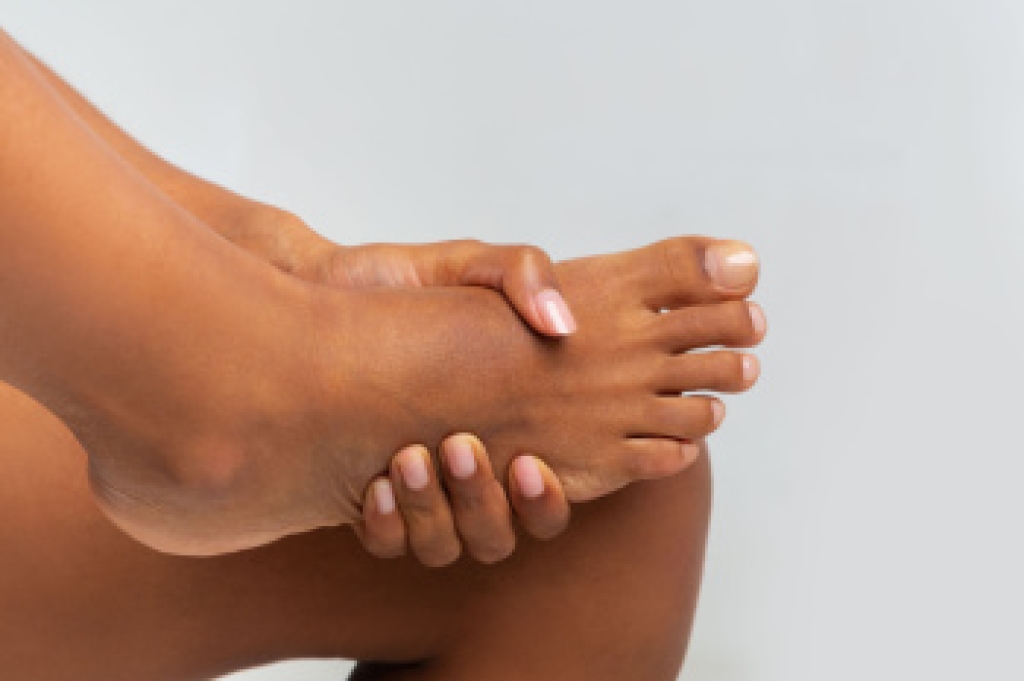
Foot pain can affect everyday activities, like walking at work and standing for long periods. The feet contain many bones, joints, and soft tissues that work together to support the body and absorb pressure with each step. Discomfort can develop from injuries, repeated stress, or changes in foot structure. Common causes include plantar fasciitis, arthritis, and bunions. Pain may affect the heel, toes, or another area depending on the underlying problem. Some conditions develop gradually, while others begin after an injury. Persistent foot pain should be evaluated rather than dismissed, especially when it begins to interfere with normal movement.


The type of foot pain a person experiences can provide clues about its cause. Heel pain may be related to irritation of the tissue supporting the arch, while pain near the big toe can occur with a bunion or arthritis. Nerve problems may cause burning, numbness, or tingling. Foot discomfort can also change the way a person walks. Shifting weight away from a painful area may place additional pressure on other parts of the foot or ankle. Swelling, worsening pain, or difficulty bearing weight can indicate a problem that needs professional attention. An accurate diagnosis helps determine which structures are involved and what treatment may be appropriate.


A podiatrist can evaluate foot pain and identify conditions affecting everyday comfort and mobility. During an examination, the podiatrist may assess foot structure, joint movement, and areas of tenderness. Imaging may be recommended when a bone or joint problem is suspected. Podiatric care is based on the diagnosis and may focus on relieving pain, improving foot function, and addressing abnormal pressure. Professional care can also help identify underlying problems before they become more difficult to manage. If persistent foot pain or changes in your mobility are making everyday activities uncomfortable, it is suggested that you consult a podiatrist for an evaluation and appropriate treatment options.

Everyday foot care is very important to prevent infection and other foot ailments. If you need your feet checked, contact Dr. Larry Cohen from New York City. Our doctor can provide the care you need to keep you pain-free and on your feet.

Everyday Foot Care

Often, people take care of their bodies, face and hair more so than they do for their feet. But the feet are a very important aspect of our bodies, and one that we should pay more attention to. Without our feet, we would not be able to perform most daily tasks.

It is best to check your feet regularly to make sure there are no new bruises or cuts that you may not have noticed before. For dry feet, moisturizer can easily be a remedy and can be applied as often as necessary to the affected areas. Wearing shoes that fit well can also help you maintain good foot health, as well as making it easier to walk and do daily activities without the stress or pain of ill-fitting shoes, high heels, or even flip flops. Wearing clean socks with closed shoes is important to ensure that sweat and bacteria do not accumulate within the shoe. Clean socks help to prevent Athlete’s foot, fungi problems, bad odors, and can absorb sweat.

If you have any questions, please feel free to contact our offices located in Midtown, Manhattan New York, NY . We offer the newest diagnostic and treatment technologies for all your foot care needs.
Read more about Everyday Foot Care

Foot Care Plays a Key Role in Preventing Falls

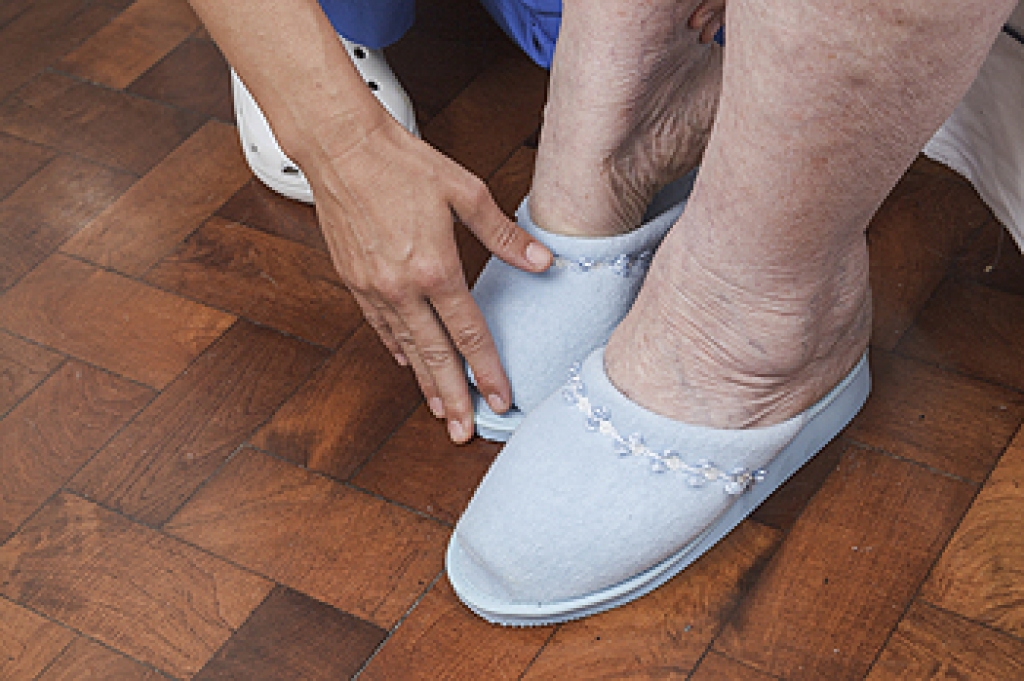
Falls can cause serious injuries and reduce a person’s confidence when standing or walking. Adults age 65 and older face a greater risk because balance, vision, and muscle strength can change with age. Foot pain, numbness, and weak ankles can make each step less steady. A podiatrist can assess the feet and ankles to identify problems that affect stability. This assessment includes checking joint movement, muscle strength, and sensation. The podiatrist can also study how a patient stands and walks.

Properly-fitted shoes are an important part of fall prevention. Shoes with wide soles, low heels, and slip-resistant outsoles can provide a more stable base. Secure laces or fasteners help keep the feet from sliding inside the shoes. Soles should be firm enough to provide support but flexible enough for a natural step. A podiatrist can check whether a patient’s shoes fit correctly and meet their needs. Custom orthotics can improve weight distribution and support foot alignment. They can also reduce painful pressure that changes the way a person walks. When foot pain is controlled, patients may feel more confident and move with greater stability.

Strong feet and ankles help the body respond to changes in the ground or an unexpected loss of balance. Research suggests that foot-strengthening exercises can increase foot strength and reduce concerns about falling. A podiatrist can recommend safe movements based on the patient’s health, balance, and ability. The plan can focus on foot strength, ankle control, and steadier movement. Regular foot exams are also valuable because reduced feeling, painful joints, or skin problems can make walking less secure. The podiatrist can treat these concerns and monitor changes that could raise fall risk. Patients should seek prompt care after a fall or when they notice frequent stumbling, new weakness, or trouble feeling the ground. If you have injured your foot and ankle from falling, it is suggested that you schedule an appointment with a podiatrist for effective relief, treatment, and additional fall prevention tips.

Preventing falls among the elderly is very important. If you are older and have fallen or fear that you are prone to falling, consult with Dr. Larry Cohen from New York City. Our doctor will assess your condition and provide you with quality advice and care.

Every 11 seconds, an elderly American is being treated in an emergency room for a fall related injury. Falls are the leading cause of head and hip injuries for those 65 and older. Due to decreases in strength, balance, senses, and lack of awareness, elderly persons are very susceptible to falling. Thankfully, there are a number of things older persons can do to prevent falls.

How to Prevent Falls

Some effective methods that older persons can do to prevent falls include:

  • Enrolling in strength and balance exercise program to increase balance and strength
  • Periodically having your sight and hearing checked
  • Discuss any medications you have with a doctor to see if it increases the risk of falling
  • Clearing the house of falling hazards and installing devices like grab bars and railings
  • Utilizing a walker or cane
  • Wearing shoes that provide good support and cushioning
  • Talking to family members about falling and increasing awareness

Falling can be a traumatic and embarrassing experience for elderly persons; this can make them less willing to leave the house, and less willing to talk to someone about their fears of falling. Doing such things, however, will increase the likelihood of tripping or losing one’s balance. Knowing the causes of falling and how to prevent them is the best way to mitigate the risk of serious injury.  

If you have any questions, please feel free to contact our offices located in Midtown, Manhattan New York, NY . We offer the newest diagnostic and treatment technologies for all your foot care needs.
Read more about Falls Prevention

Heel Pain Can Be Treated!

Do you suffer from heel pain when you get up in the morning? If so, you should seek professional help and have a proper diagnosis performed. Heel pain can be caused by several different foot-related conditions.

Why Are My Feet and Ankles Swollen?

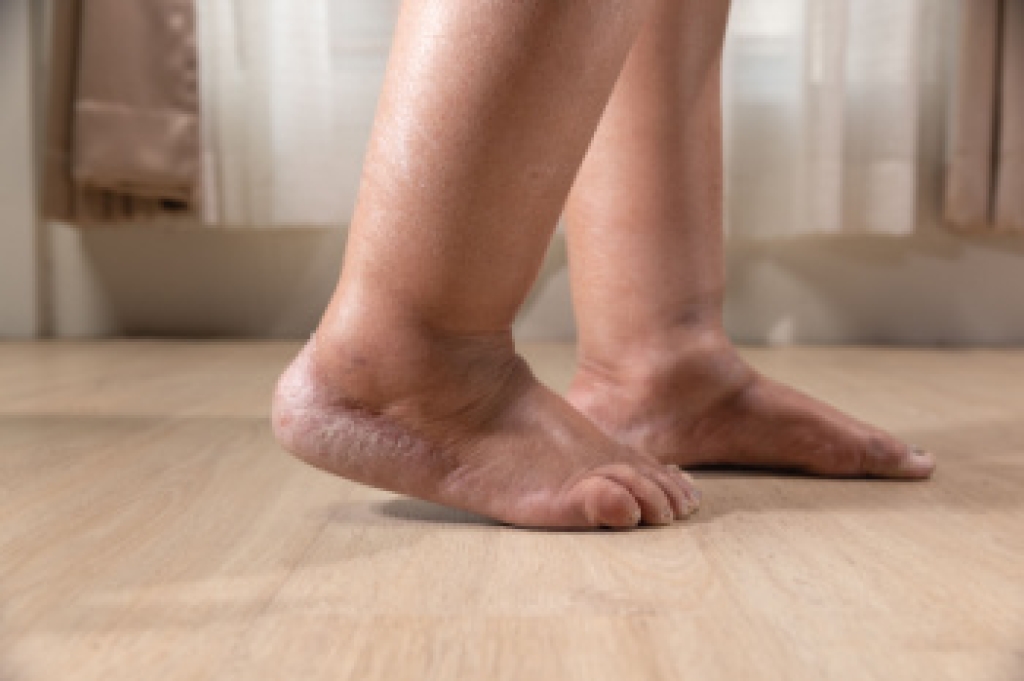
Swollen feet and ankles, also called peripheral edema, occur when extra fluid builds up in the tissues around the lower legs. This common foot and ankle concern can develop after standing for long periods or sitting for hours. Mild swelling may disappear with rest, but persistent swelling can signal an underlying condition that needs attention. Common symptoms include puffiness, tight skin, and difficulty fitting into shoes. The skin may also appear stretched or shiny. Some people notice swelling that becomes worse later in the day.

Several factors can increase the risk of developing swollen feet and ankles. Long periods of standing or sitting may slow normal circulation. Excess body weight can place added stress on the lower extremities. Pregnancy, aging, and certain medications may also contribute to fluid retention. Medical conditions can play a role as well. Heart, kidney, or liver problems may affect how the body manages fluids. Venous insufficiency can also cause blood to pool in the legs. Additionally, a recent injury, infection, or blood clot can produce localized swelling that requires prompt medical attention.


A podiatrist begins by reviewing your symptoms and medical history. A physical examination can help identify tenderness, skin changes, and areas of swelling. Depending on the findings, imaging or other testing may be recommended to identify the underlying cause. Treatment depends on what is causing the swelling. Your podiatrist may recommend supportive footwear, compression strategies, or activity changes, when appropriate. If an infection, injury, or other condition is suspected, treatment will focus on addressing that problem. Follow-up visits can help monitor progress and adjust care.


Knowing the cause of swollen feet and ankles is important because treatment should address more than the visible swelling. Early evaluation may help prevent complications and support comfortable movement. If swelling continues, returns frequently, or affects your daily activities, it is suggested that you consult a podiatrist for effective relief and treatment solutions.

Swollen feet can be a sign of an underlying condition. If you have any concerns, contact Dr. Larry Cohen of New York City. Our doctor can provide the care you need to keep you pain-free and on your feet.

Swollen feet are a common ailment among pregnant women and people who stand or sit for extended periods. Aging may increase the possibility of swollen feet and patients who are obese often notice when their feet are swelling too. There may be medical reasons why swollen feet occur:

  • Phlebitis - A condition that causes the veins to become inflamed and can also cause leg pain.
  • Liver disease - This may lead to low blood levels of albumin which is a protein. This can cause fluid in the blood to pass into the tissues and several areas of the body can become swollen.
  • Heart failure - When the heart doesn’t pump properly the blood that is normally pumped back to the heart can pool in the veins of the legs causing swollen feet.
  • Kidney disease - One of the main functions of the kidneys is releasing excess fluid in the body. This type of condition can make it difficult for the kidneys to function properly, and as a result the feet may become swollen.
  • Deep-vein thrombosis (DVT)- This is a serious condition where blood clots form in the veins of the legs. They can block the return of blood from the legs to the heart which may cause the feet to swell. It is important to be treated by a podiatrist if this condition is present.

Swollen feet can also be caused by bone and tendon conditions, including fractures, arthritis, and tendinitis. Additionally, there may be skin and toenail conditions and an infection may cause the feet to swell. Patients who take medicine to treat high blood pressure may be prone to getting swollen feet. 

Many patients elevate their feet to help relieve the swelling and this is generally a temporary remedy. When a podiatrist is consulted the reason behind the swelling can be uncovered and subsequently treated.

If you have any questions please contact our offices located in Midtown, Manhattan New York, NY . We offer the newest diagnostic and treatment technologies for all your foot and ankle needs.

Read more about Swelling of the Feet
Connect with us

Follow Larry Cohen, DPM on Facebook Follow Larry Cohen, DPM on Twitter Tips on foot care for patients and best podiatry practices in Midtown Manhattan New York, NY