
Blog

When Shoes Do Not Fit Right

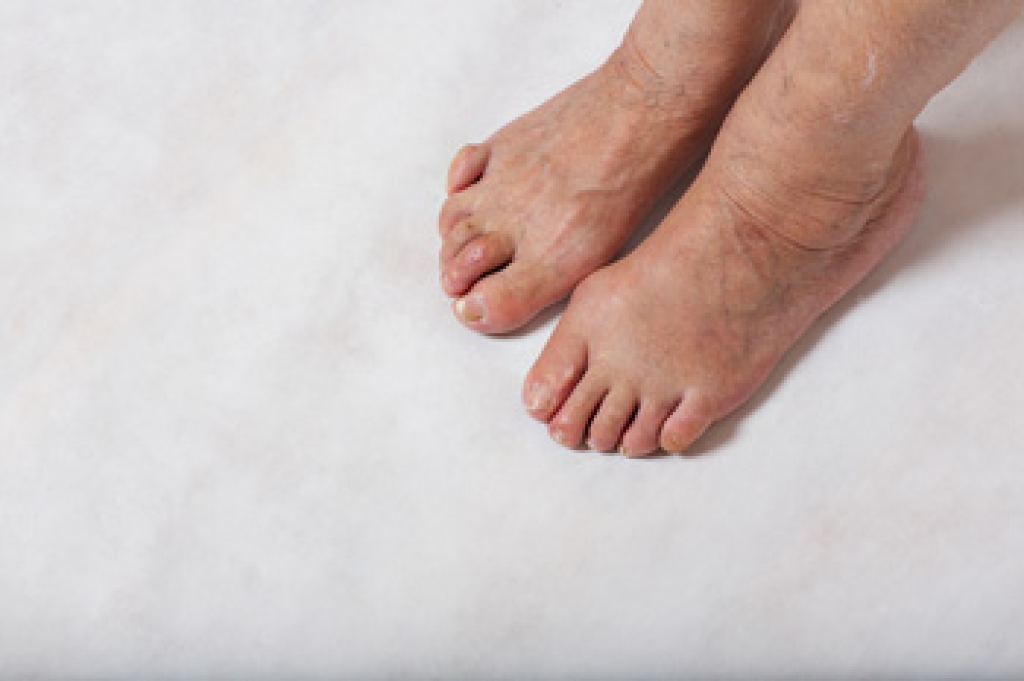
Wearing the wrong size shoes can lead to several painful foot conditions that develop over time. Blisters are small fluid-filled pockets that form from friction when shoes rub against the skin. Bunions appear as a bony bump at the base of the big toe, often caused by tight footwear that pushes the toe out of place. Additionally, hammertoes occur when the smaller toes bend unnaturally due to crowding inside the shoe. These problems may start with mild discomfort, but can worsen into chronic pain and difficulty walking. Poor shoe fit, narrow toe boxes, and long periods on your feet increase risk. A podiatrist can evaluate foot structure, diagnose these conditions, and guide proper shoe fitting to prevent further damage. If you have foot pain from wearing shoes that do fit right, it is suggested that you consult a podiatrist who can offer effective relief tips and guidance on how to find the right shoe size.

Getting the right shoe size is an important part of proper foot health. Seek the assistance of Dr. Larry Cohen from New York City. Our doctor will provide the care you need to keep you pain-free and on your feet.

Getting the Right Shoe Size

There are many people who wear shoes that are the incorrect size, negatively affecting their feet and posture. Selecting the right shoes is not a difficult process, so long as you keep several things in mind when it comes to choosing the right pair.

  • When visiting the shoe store, use the tools available to measure your foot.
  • Be sure there is ‘wiggle room’. There should be about an inch between your toes and the tip of your shoes.
  • Do not always assume you are the same size, as manufacturers run differently.
  • Purchase shoes later in the day, as your feet swell as the day progresses.
  • If a shoe is not comfortable, it is not suitable. Most shoes can’t be ‘broken in’, and comfort should be the ultimate goal when it comes to choosing the right pair of shoes

As our feet hold our body weight and keep us moving, it is important to treat them right. Picking the right pair of shoes can provide your feet comfort and mobility without pain.

If you have any questions, please feel free to contact our offices located in Midtown, Manhattan New York, NY . We offer the newest diagnostic and treatment technologies for all your foot care needs.
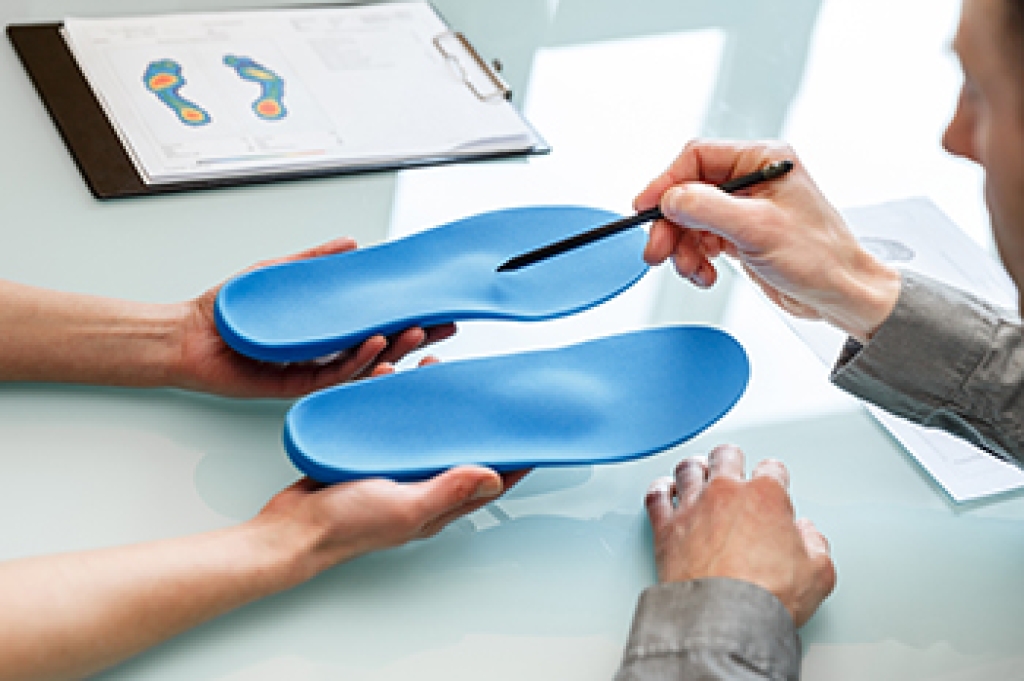

Read more about How to Get a Proper Shoe Fit

Gout Pain Can Be Managed

Gout is a painful, inflammatory form of arthritis. Those affected will typically feel an intense stiffness in the joints of their feet, particularly in the big toe. Schedule a visit to learn about how gout can be managed and treated.

Managing a Bunion

A bunion results when a bony bump forms at the base of the big toe, as the tip of the toe pushes against the other toes. This deformity can cause pain, redness, and swelling. Bunions also make wearing certain shoes uncomfortable while walking or standing for long periods of time. Causes include inherited foot structure, arthritis, and shoes that squeeze the toes together. Some people develop bunions because of poor foot alignment or abnormal walking patterns. A podiatrist can examine the foot, check joint movement, and use X-rays to determine the severity of the bunion. Treatment options include custom orthotics, padding, and wearing supportive shoes with a wider toe box. More advanced bunions may require surgery to straighten the toe joint and improve alignment. Early treatment can help slow the condition and reduce discomfort. If you have pain from a bunion, it is suggested that you schedule an appointment with a podiatrist for effective relief and management tips.

If you are suffering from bunions, contact Dr. Larry Cohen of New York City. Our doctor can provide the care you need to keep you pain-free and on your feet.

What Is a Bunion?

A bunion is formed of swollen tissue or an enlargement of boney growth, usually located at the base joint of the toe that connects to the foot. The swelling occurs due to the bones in the big toe shifting inward, which impacts the other toes of the foot. This causes the area around the base of the big toe to become inflamed and painful.

Why Do Bunions Form?

Genetics – Susceptibility to bunions are often hereditary

Stress on the feet – Poorly fitted and uncomfortable footwear that places stress on feet, such as heels, can worsen existing bunions

How Are Bunions Diagnosed?

Podiatrists often perform two tests – blood tests and x-rays – when trying to diagnose bunions, especially in the early stages of development. Blood tests help determine if the foot pain is being caused by something else, such as arthritis, while x-rays provide a clear picture of your bone structure to your provider.

How Are Bunions Treated?

  • Refrain from wearing heels or similar shoes that cause discomfort
  • Select wider shoes that can provide more comfort and reduce pain
  • Anti-inflammatory and pain management drugs
  • Orthotics or foot inserts
  • Surgery

If you have any questions, please feel free to contact our offices located in Midtown, Manhattan New York, NY . We offer the newest diagnostic and treatment technologies for all your foot care needs.

Read more about What Are Bunions?

Pain on the Bottom of the Foot

A number of conditions, including plantar fasciitis, nerve irritation, and Morton’s neuroma, can cause  pain on the bottom of the foot. Plantar fasciitis involves inflammation of a thick band of tissue along the arch. It often causes sharp heel pain, especially with the first steps in the morning. Nerve-related pain may feel like burning, tingling, or numbness and can worsen with activity. Morton’s neuroma is a thickening of tissue around a nerve, usually between the toes. It may feel like walking on a pebble or cause a sharp, shooting pain in the ball of the foot. Symptoms can become more noticeable with pressure or when wearing certain shoes. Causes include overuse, wearing improper footwear, foot structure, or repetitive stress. A podiatrist can evaluate the source of pain and order imaging or physical examination to confirm the diagnosis. Treatment may include supportive footwear, padding, anti-inflammatory care, and targeted exercises. If you have pain on the bottom of the foot, it is suggested that you schedule an appointment with a podiatrist for appropriate treatment solutions.

Foot Pain

Foot pain can be extremely painful and debilitating. If you have a foot pain, consult with Dr. Larry Cohen from New York City. Our doctor will assess your condition and provide you with quality foot and ankle treatment.

Causes

Foot pain is a very broad condition that could be caused by one or more ailments. The most common include:

  • Bunions
  • Hammertoes
  • Plantar Fasciitis
  • Bone Spurs
  • Corns
  • Tarsal Tunnel Syndrome
  • Ingrown Toenails
  • Arthritis (such as Gout, Rheumatoid, and Osteoarthritis)
  • Flat Feet
  • Injury (from stress fractures, broken toe, foot, ankle, Achilles tendon ruptures, and sprains)
  • And more

Diagnosis

To figure out the cause of foot pain, podiatrists utilize several different methods. This can range from simple visual inspections and sensation tests to X-rays and MRI scans. Prior medical history, family medical history, and any recent physical traumatic events will all be taken into consideration for a proper diagnosis.

Treatment

Treatment depends upon the cause of the foot pain. Whether it is resting, staying off the foot, or having surgery; podiatrists have a number of treatment options available for foot pain.

If you have any questions, please feel free to contact our offices located in Midtown, Manhattan New York, NY . We offer the newest diagnostic and treatment technologies for all your foot care needs.
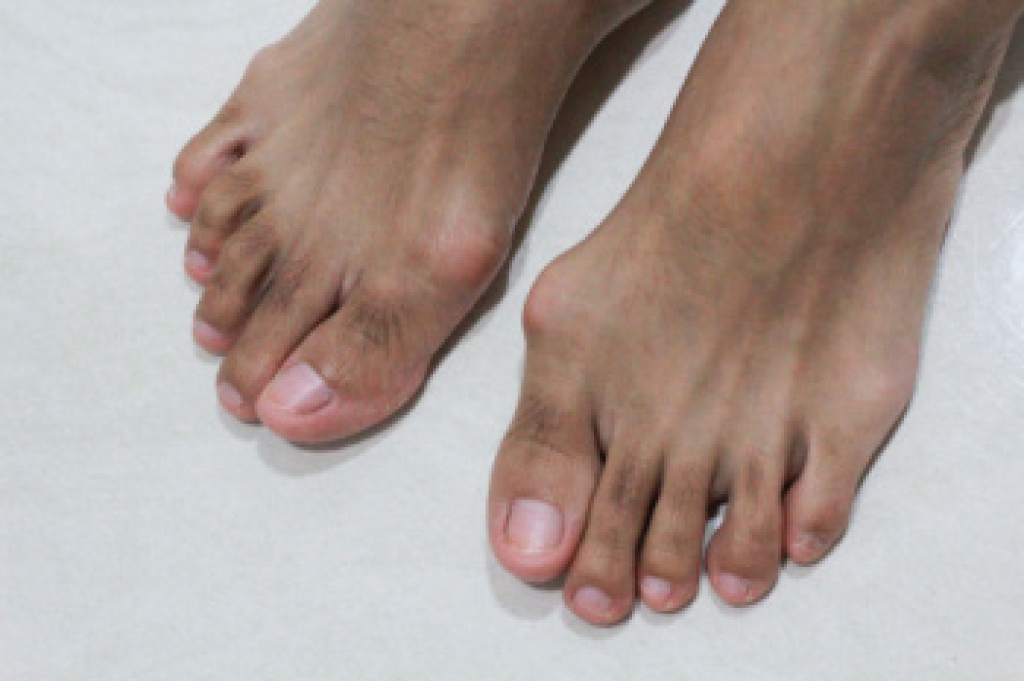
Read more about Foot Pain
Connect with us

Follow Larry Cohen, DPM on Facebook Follow Larry Cohen, DPM on Twitter Tips on foot care for patients and best podiatry practices in Midtown Manhattan New York, NY